
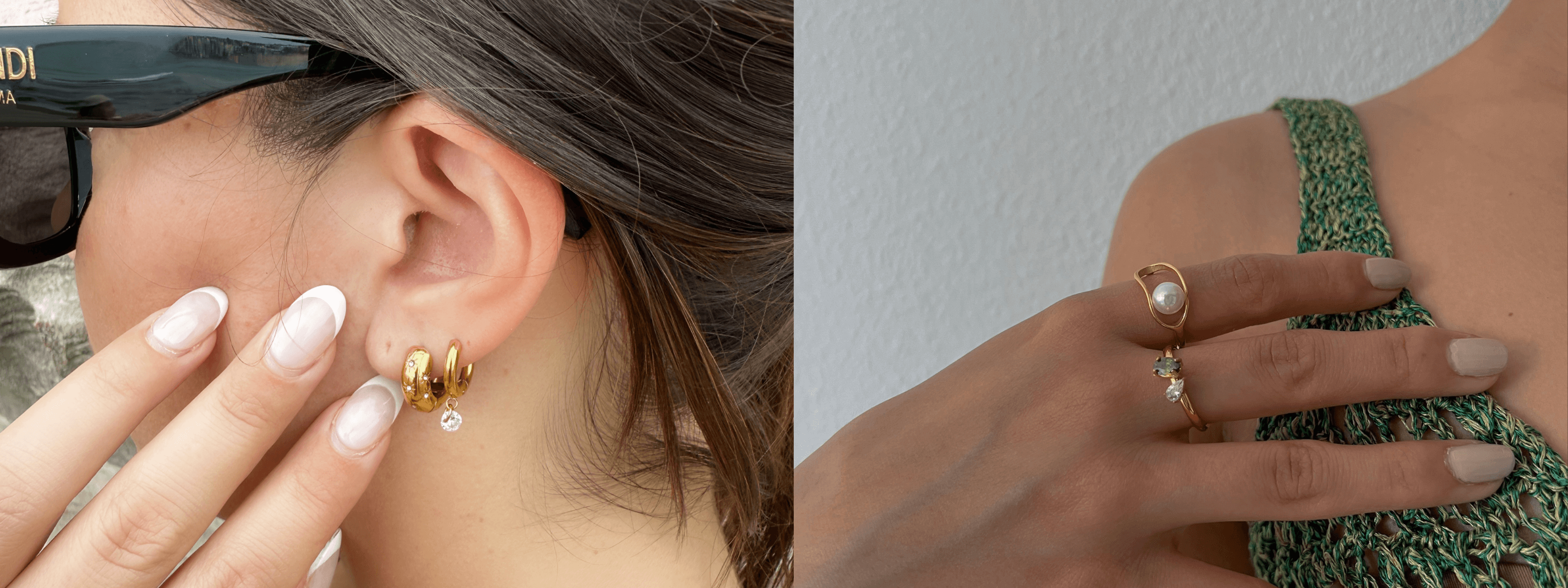
Stainless Steel vs. Sterling Silver: Which is Better for You?
Choosing between stainless steel and sterling silver for your jewelry is a common dilemma. Both offer a beautiful, silvery-white luster and are popular choices for everything from rings and bracelets to necklaces and earrings. But beneath the surface similarities, these two metals offer vastly different experiences in terms of durability, maintenance, suitability for sensitive skin, and overall value.
So, which one is truly the better fit for your lifestyle and needs? There's no single right answer, but understanding the key differences will empower you to make the perfect choice. Let's break down the head-to-head comparison.

What is Sterling Silver?
Sterling silver is a long-cherished precious metal alloy. By definition, it must contain at least 92.5% pure silver. The remaining 7.5% consists of other metals, traditionally copper, added to give it strength and durability (pure silver is too soft for most jewelry). It's known for its bright, white shine and has been a staple in jewelry making for centuries.
What is (316L) Stainless Steel?
Stainless steel, specifically the high-quality 316L surgical grade used in reputable jewelry, is a modern marvel of material science. It's an alloy primarily composed of iron, chromium, nickel, and sometimes molybdenum. It was engineered for strength, resilience, and exceptional resistance to corrosion. You can learn more about this specific grade in our explainer, What is 316L Stainless Steel?.
The Head-to-Head Comparison: Steel vs. Silver
Let's put them side-by-side across the factors that matter most.
Durability & Scratch Resistance
This is where the difference is most stark. Stainless steel is an incredibly hard and strong alloy. It stands up remarkably well to the bumps, drops, and general wear-and-tear of daily life, resisting scratches and dents far better than silver. Sterling silver, being mostly pure silver (a soft metal), is much more prone to scratching, bending, and denting over time. Winner: Stainless Steel (by a significant margin)

Tarnish & Corrosion Resistance
Tarnish is the blackening that occurs on silver when it reacts with sulfur in the air. Sterling silver will tarnish over time and requires regular polishing to maintain its shine. Stainless steel, thanks to its chromium content forming a protective layer, does not tarnish or rust. It maintains its luster effortlessly. We cover this in detail in Does Stainless Steel Jewelry Tarnish?. Winner: Stainless Steel (decisively)
Hypoallergenic Properties (The Allergy Factor)
This is critical for many wearers. While pure silver is not an allergen, the 7.5% alloy metals in sterling silver can be. Sometimes this includes nickel, the number one cause of jewelry allergies. This makes sterling silver a potential gamble – the infamous "Alloy Lottery". High-quality 316L stainless steel, despite containing nickel, is engineered to be biocompatible. Its structure locks the nickel in, resulting in a negligible release rate, making it safe for the vast majority of people with sensitive skin. Winner: Stainless Steel (for reliable safety)
Maintenance Required
Due to tarnishing, sterling silver requires regular polishing with special cloths or solutions. Stainless steel needs virtually no special maintenance beyond a simple wash with soap and water if it gets dirty. Our Ultimate Care Checklist highlights how easy steel is to care for. Winner: Stainless Steel
Cost & Value
Sterling silver is a precious metal, so it inherently carries a higher raw material cost than stainless steel. While prices vary based on design and brand, stainless steel jewelry generally offers significantly more affordable options for comparable styles, providing exceptional value for its durability and longevity. Winner: Stainless Steel (for affordability and performance-value)
Appearance & Style
This is subjective. Sterling silver has a very bright, almost white metallic luster. Stainless steel has a slightly deeper, often described as platinum-like, greyish-white shine. Both can be polished to a high mirror finish or given brushed textures. Stainless steel's strength also allows for certain modern designs that might be too fragile in silver. Winner: Tie (depends on personal preference)

Which Metal is Better For You?
Consider your priorities:
-
Choose Sterling Silver if:
-
You have no metal sensitivities.
-
You love its unique bright white shine and traditional precious metal status.
-
You don't mind the commitment of regular polishing to prevent tarnish.
-
You prioritize the "precious metal" label over everyday durability.
-
-
Choose Stainless Steel if:
-
You have sensitive skin or have reacted to other jewelry before.
-
You live an active lifestyle and need jewelry that can withstand daily wear without damage.
-
You want a zero-maintenance piece that stays shiny without polishing.
-
You seek the best combination of durability, style, and value.
-
Conclusion: The Modern Choice for Everyday Life
While sterling silver holds a timeless appeal, the practical advantages of 316L stainless steel jewelry for the demands of modern life are undeniable. Its superior durability, resistance to tarnish, reliable hypoallergenic properties, and effortless maintenance make it an intelligent and worry-free investment.
It offers the sophisticated look of a precious metal with the resilience of an industrial powerhouse. For jewelry you can truly live in, stainless steel is hard to beat. Explore our collection of high-quality stainless steel jewelry and experience the difference yourself.

Hinterlasse einen Kommentar
Diese Website ist durch hCaptcha geschützt und es gelten die allgemeinen Geschäftsbedingungen und Datenschutzbestimmungen von hCaptcha.