
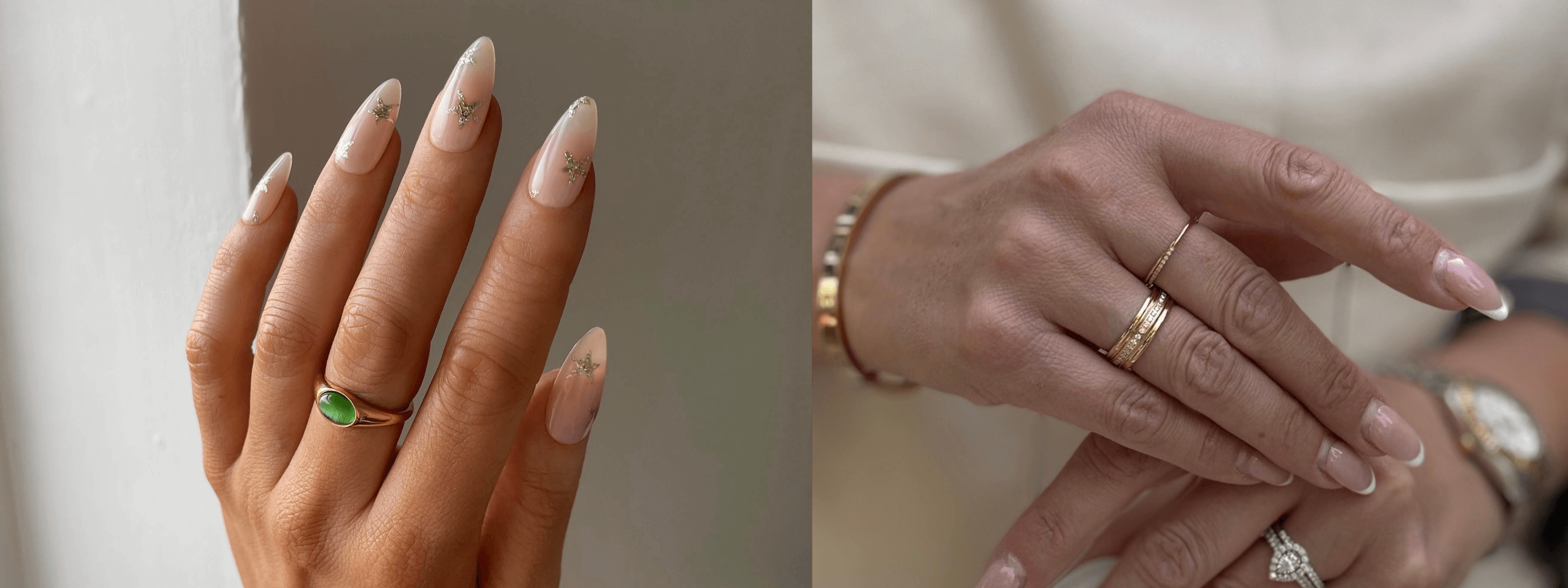
316L vs. 304 Stainless Steel: Why It Matters for Your Jewelry
When you're shopping for stainless steel jewelry, the different grades and numbers can seem confusing. On the surface, a bracelet made from 304 stainless steel looks identical to one made from 316L. They both shine, they're both strong. So, does the little "L" and the different number really matter?
The answer is a resounding yes.
While both are high-quality materials, a tiny, invisible difference in their chemical recipe makes one grade far superior for anything that touches your skin. This guide will break down the difference in simple terms and show you why knowing this distinction is key to choosing truly long-lasting, worry-free jewelry.

The Main Difference in One Word: Molybdenum
If you remember only one thing from this article, let it be this: 316L stainless steel contains molybdenum; 304 stainless steel does not.
This small addition of molybdenum, an extremely hard and corrosion-resistant chemical element, is the secret ingredient that elevates 316L to a higher standard of durability.
A Side-by-Side Look: The Chemical Recipe
Let's look at the formulas. The table below shows the key differences.
The Kitchen Sink vs. Your Skin: What This Means in Real Life
The easiest way to understand the difference is to look at where these two types of steel are most commonly used.
304 Stainless Steel: The Kitchen & Home Standard
304 is the most common stainless steel in the world. It’s perfect for kitchen sinks, utensils, and appliances. It’s excellent at resisting corrosion from fresh water and everyday household chemicals. But it has a weakness: it is vulnerable to corrosion from chlorides (salt).

316L Stainless Steel: The Marine & Medical Standard
The molybdenum in 316L was specifically added to fight chloride corrosion. This makes it the standard for environments where salt is a constant factor, such as:
-
Marine hardware on boats and docks.
-
Medical implants like surgical screws and plates, which need to resist the salts in the human body.
The simple analogy: 304 is for your kitchen; 316L is for the ocean and your body.
Head-to-Head Battle: 316L vs. 304 for Your Jewelry
Now let's apply this knowledge directly to stainless steel jewelry.
Corrosion & Tarnish Resistance (Clear Winner: 316L)
Your sweat contains salt. You might swim in the ocean or a chlorinated pool. For jewelry, which is in constant contact with these elements, 316L's molybdenum "chloride shield" is not a luxury—it's essential for maintaining a flawless finish. As we explain in What "Corrosion Resistant" Really Means, 316L is simply in a higher league of protection.
Hypoallergenic Properties (Clear Winner: 316L)
Because 316L is more resistant to corrosion, it is also more chemically stable. This means its nickel content is less likely to leach out and cause a skin reaction. This superior stability is why 316L is designated "surgical steel" and is the trusted choice for initial piercings and for those with sensitive skin. Learn more in our guide Is Stainless Steel Hypoallergenic?.
Cost (Winner: 304)
304 stainless steel is slightly less expensive to produce due to the absence of molybdenum. This is why some budget-friendly jewelry brands may opt to use it to cut costs.

Appearance (It's a Tie)
To the naked eye, jewelry made from 304 and 316L is visually identical. The difference is invisible—until it's exposed to the real world.
The Verdict: Why Settle for Good When You Can Have the Best?
While 304 stainless steel is a good material, 316L is unequivocally the better, smarter, and safer choice for jewelry.
For a small difference in cost, you get a significant upgrade in performance, ensuring your favorite pieces can withstand sweat, showers, and seaside holidays without losing their luster.
When a brand commits to using 316L, it's a statement of quality. It shows they are prioritizing the longevity of your jewelry and the health of your skin over a minor cost saving. That's why every piece in our stainless steel jewelry collection is crafted exclusively from premium 316L surgical steel.


Hinterlasse einen Kommentar
Diese Website ist durch hCaptcha geschützt und es gelten die allgemeinen Geschäftsbedingungen und Datenschutzbestimmungen von hCaptcha.