
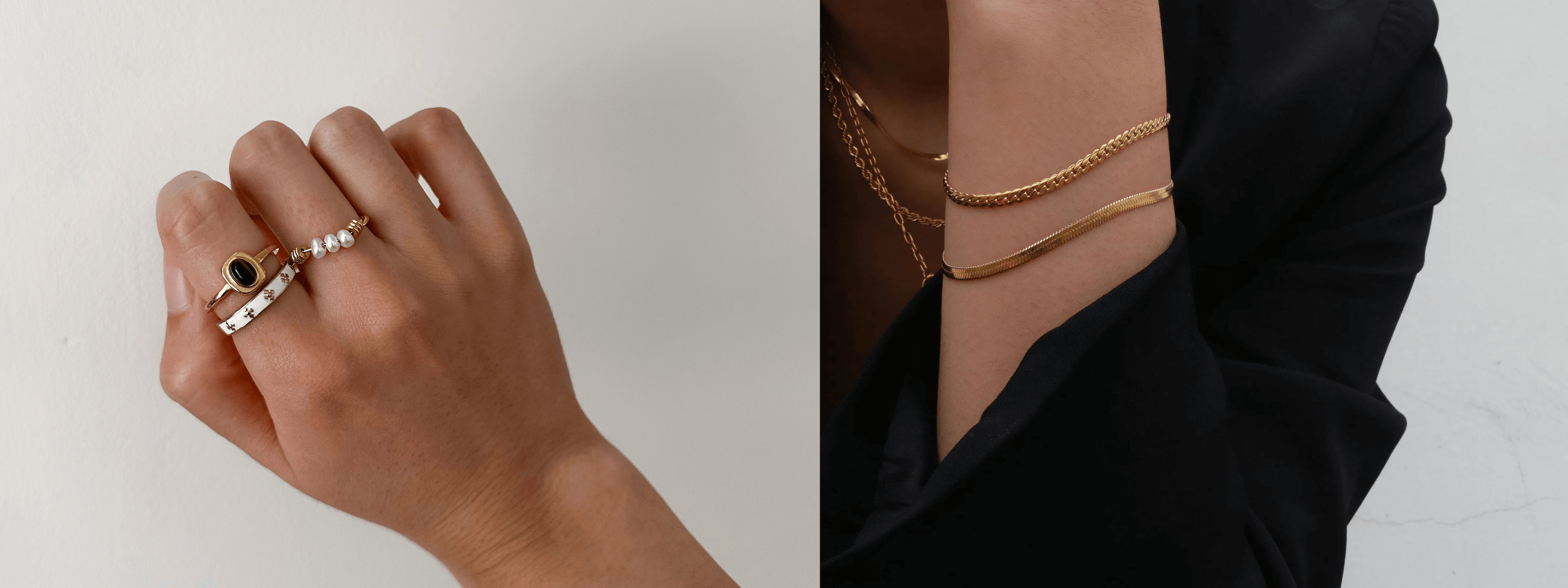
How Do You Clean Stainless Steel Jewelry? The Ultimate Worry-Free Guide for 2025
You know that sinking feeling when you reach for your favorite necklace, only to find it covered in a dull film from last night's moisturizer? Or when your go-to ring looks cloudy after a week of daily wear? Most jewelry requires constant babying—polishing silver every few days, carefully removing plated pieces before any contact with water, storing everything in special pouches.
But what if I told you there's a better way?
As someone who believes jewelry should enhance your life, not complicate it, I've built my entire brand, Meideya, around one simple philosophy: worry-free pieces designed for real life. That's why every piece in our collection is crafted from 316L stainless steel—a material that laughs in the face of high-maintenance jewelry care routines.
This comprehensive guide will show you just how refreshingly simple it is to care for stainless steel jewelry. You'll discover why this material is revolutionizing the jewelry world and learn the surprisingly minimal maintenance required to keep your pieces looking flawless, year after year.
Key Takeaways
- Simplicity is Key: Cleaning stainless steel is surprisingly easy and requires common household items you already own, like mild soap and warm water. No special chemicals are needed.
- Why 316L Steel is Different: Its unique chromium-rich, low-carbon composition makes it naturally waterproof, tarnish-proof, and hypoallergenic, eliminating 90% of traditional jewelry care worries.
- The Ultimate "Hack": The most effective maintenance routine is simply wearing your jewelry in the shower. The gentle soap and warm water handle most daily cleaning for you, effortlessly.
Why 316L Stainless Steel Changes Everything
Let's get real about traditional jewelry care. Sterling silver demands constant attention, tarnishing almost the moment it encounters air and requiring weekly polishing sessions. Plated brass? It's a gamble. One forgotten shower or a drop of water can leave you with stained skin and a ruined piece. This is the very frustration that fueled my mission with Meideya.
| Feature | 316L Stainless Steel | Sterling Silver (925) | Plated Brass/Copper |
|---|---|---|---|
| Waterproof | Yes (Swim, shower, sweat) | No (Tarnishes quickly) | No (Plating wears off) |
| Hypoallergenic | Yes (Medical-grade) | Generally, but can contain allergens | Often causes skin reactions |
| Tarnish/Corrosion | Resistant | Tarnishes easily | Corrodes and discolors |
| Maintenance Level | Extremely Low | High (Requires regular polishing) | Very High (Requires constant care) |
316L stainless steel operates in an entirely different universe. This medical-grade material contains chromium, nickel, and molybdenum—elements that create an invisible, self-repairing protective layer on the surface. This barrier doesn't just resist tarnish; it actively prevents rust, corrosion, and discoloration. The "L" in its name signifies low carbon content, which further enhances its resistance to corrosion and makes it completely hypoallergenic for sensitive skin.
Durability That Actually Means Something
While other metals succumb to the demands of daily life, 316L stainless steel thrives in it. This is the same material trusted for surgical instruments and marine equipment—applications where failure simply isn't an option. Your jewelry experiences nowhere near that level of stress, which means it can handle your morning coffee, afternoon workout, and evening skincare routine without breaking a sweat.
The Waterproof Advantage
Here's where stainless steel jewelry truly shines: it's completely waterproof. Not “water-resistant.” Not “avoid prolonged exposure.” Truly waterproof. You can shower in it, swim in it, and wash dishes in it. This single characteristic eliminates 90% of the worries associated with traditional jewelry care.
Common Issues with Stainless Steel Jewelry (Spoiler: They're Minor)
Even the most low-maintenance jewelry experiences some effects of daily wear. With stainless steel, these issues are remarkably minimal and easily addressed:
- Soap and Lotion Buildup: Body products can create a thin film on jewelry surfaces over time. On stainless steel, this buildup simply sits on the surface, waiting to be easily wiped away without causing damage.
- Fingerprint Smudges: Natural oils from your skin can leave subtle marks, particularly on polished surfaces. These are purely cosmetic and remove effortlessly.
- Mild Discoloration from Chemicals: Harsh chemicals like swimming pool chlorine might cause temporary discoloration. Unlike other metals that suffer permanent damage, stainless steel returns to its original state with simple cleaning.
- General Dirt Accumulation: Daily life brings dust and microscopic debris. Stainless steel's non-porous surface doesn't trap particles like softer metals do, making removal straightforward.
- Hard Water Spots: Mineral deposits from hard water can create spots, but on stainless steel, these remain surface-level and dissolve easily with proper cleaning.
Simple Cleaning Methods That Actually Work
The beauty of cleaning stainless steel jewelry lies in its simplicity. You don't need specialized solutions or expensive equipment. These methods use items you already have at home.
The Gentle Soap Method (Your Daily Go-To)
First, fill a small bowl with warm water and add a few drops of mild dish soap. A gentle, grease-cutting soap is perfect—it's designed to remove oils without harsh chemicals.
Next, submerge your jewelry and let it soak for 2-3 minutes. Use a soft-bristled toothbrush (keep one just for jewelry) to gently brush away any buildup, especially in textured areas or around settings.
Finally, rinse thoroughly under warm running water to remove all soap residue. Pat dry with a soft, lint-free cloth or let it air dry completely. This method handles 95% of cleaning needs and can be done weekly or whenever your pieces seem dull.
The Soft Cloth Polish (For That Extra Shine)
After cleaning, use a microfiber cloth to buff your jewelry to a brilliant shine. Microfiber is excellent at lifting away microscopic particles while polishing the surface to a mirror-like clarity.
Work in small, circular motions with gentle pressure. For chains, hold one end and work your way down the length systematically. This simple step transforms clean jewelry into stunning, lustrous jewelry.
The Baking Soda Paste (For Stubborn Issues)
For pieces with persistent buildup or spots, you can create a paste using about three parts baking soda to one part water. Apply the paste to the affected areas and let it sit for 5 minutes.
Use a soft toothbrush to work the paste in gentle, circular motions. Baking soda's mild abrasive properties lift stubborn deposits without scratching the steel. Rinse thoroughly and dry completely. Use this method sparingly—only when regular cleaning isn't enough.
What to Absolutely Avoid
Even resilient stainless steel can be damaged by the wrong methods:
- Harsh Chemicals: Bleach, ammonia, or acid-based cleaners can compromise the protective chromium layer. Stick to mild soaps. A great resource for understanding material reactions can be found in material science journals, often available through academic directories like those from major universities.
- Abrasive Cleaners: Scouring powders or steel wool will create microscopic scratches that permanently dull the surface.
- Ultrasonic Cleaners: While generally safe for the metal itself, the vibrations can loosen stone settings. They are also completely unnecessary for stainless steel.
- Vigorous Scrubbing: Gentle, consistent care yields better long-term results than occasional aggressive cleaning.
The Ultimate Low-Maintenance Routine
The most effective cleaning method for your stainless steel jewelry might surprise you: simply wearing it in the shower.
The combination of warm water and the gentle action of your body wash creates perfect cleaning conditions. As you go about your routine, your jewelry receives the same cleansing action, removing daily oils and buildup while the water rinses everything clean.
This isn't a quirky hack—it's genuinely the most convenient way to care for stainless steel jewelry. Your pieces get cleaned during an activity you're already doing, with products you're already using.
Myth vs. Reality
Myth: "All stainless steel jewelry is the same, and it's just a cheap metal."
Reality: This is a common misconception I encounter. As someone who has researched materials extensively, I can tell you there's a world of difference between generic steel and the 316L medical-grade steel we use at Meideya. Lower grades can contain nickel in forms that cause allergic reactions. 316L’s low-carbon, specific alloy composition is precisely what makes it hypoallergenic, incredibly durable, and highly resistant to corrosion. It's not a "cheaper" option; it's a *smarter* one, engineered for longevity and skin safety.
Storage Made Simple
Unlike silver that requires anti-tarnish bags, stainless steel jewelry can be stored normally. A simple jewelry box or drawer organizer is sufficient. The only consideration is preventing pieces from scratching each other, which is easily achieved with individual pouches or compartments.
Regular Maintenance Checks
Once a month, give your pieces a quick visual inspection. Look for any unusual discoloration, check that settings are secure, and test clasps or hinges. Addressing any potential issues early is always best. This two-minute check is about awareness, not intensive maintenance.
Frequently Asked Questions
Q1: What is the best type of soap to use for cleaning stainless steel jewelry?
Any mild dish soap works beautifully. Brands like Dawn or similar grease-cutting formulas are ideal because they effectively remove skin oils without harsh additives. It's best to avoid soaps with heavy moisturizers, exfoliants, or strong fragrances, as these can leave a residue on your jewelry.
Q2: How often should I clean my stainless steel jewelry?
The great thing about 316L stainless steel's low-maintenance nature is that cleaning frequency depends on your wear patterns, not the metal's needs. Pieces worn daily might benefit from a quick weekly cleaning, while items worn less often might only need monthly attention. The best guide is appearance—if your pieces look less brilliant, it’s time for a gentle cleaning.
Q3: Can I really wear Meideya stainless steel jewelry in the pool or ocean?
Absolutely. Both chlorinated water and saltwater will not damage the structural integrity of 316L stainless steel. My personal experience as a swimmer and hiker confirms this! While chlorine might cause temporary discoloration over time, it easily disappears with the simple cleaning methods outlined in this guide. This resilience is what makes it a superior choice for an active lifestyle.
Q4: What if a piece of my stainless steel jewelry gets scratched?
Minor surface scratches are a natural part of a well-loved jewelry piece's story and often add character. 316L stainless steel is incredibly durable, so deep scratches are rare with normal wear. For significant scratches on a plain, polished surface, a professional jeweler can polish it, but this is rarely necessary with proper care.
Q5: How do I remove hard water stains from my jewelry?
A simple solution of white vinegar works wonderfully for mineral deposits from hard water. Soak the affected piece for 5-10 minutes, then gently brush with a soft toothbrush. The mild acid in the vinegar dissolves the mineral buildup without harming the steel. Be sure to follow up with a thorough rinse in clean water and dry completely.
Your Jewelry Should Enhance Life, Not Complicate It
For too long, the jewelry care conversation has been dominated by high-maintenance materials. The reality of silver tarnishing overnight or plated pieces demanding removal before every shower shouldn't define modern accessories. These limitations are what inspired me to find a better way.
Stainless steel jewelry represents a fundamental shift toward practicality without compromise. You get the beauty, durability, and style you want without the constant worry about damage or deterioration.
When you choose 316L stainless steel pieces, you're choosing freedom. Freedom to live your life fully without constantly monitoring your accessories. Freedom to shower, swim, exercise, and sleep without removal rituals. Ultimately, you are choosing the freedom to focus on what matters most while your jewelry simply takes care of itself.
This isn't about settling for less—it's about demanding more from your accessories. More convenience, more durability, and more peace of mind. It's about jewelry that adapts to your lifestyle. Ready for beautiful jewelry that doesn't add to your to-do list? Explore our stainless steel jewelry collection and discover the difference.

Hinterlasse einen Kommentar
Diese Website ist durch hCaptcha geschützt und es gelten die allgemeinen Geschäftsbedingungen und Datenschutzbestimmungen von hCaptcha.