

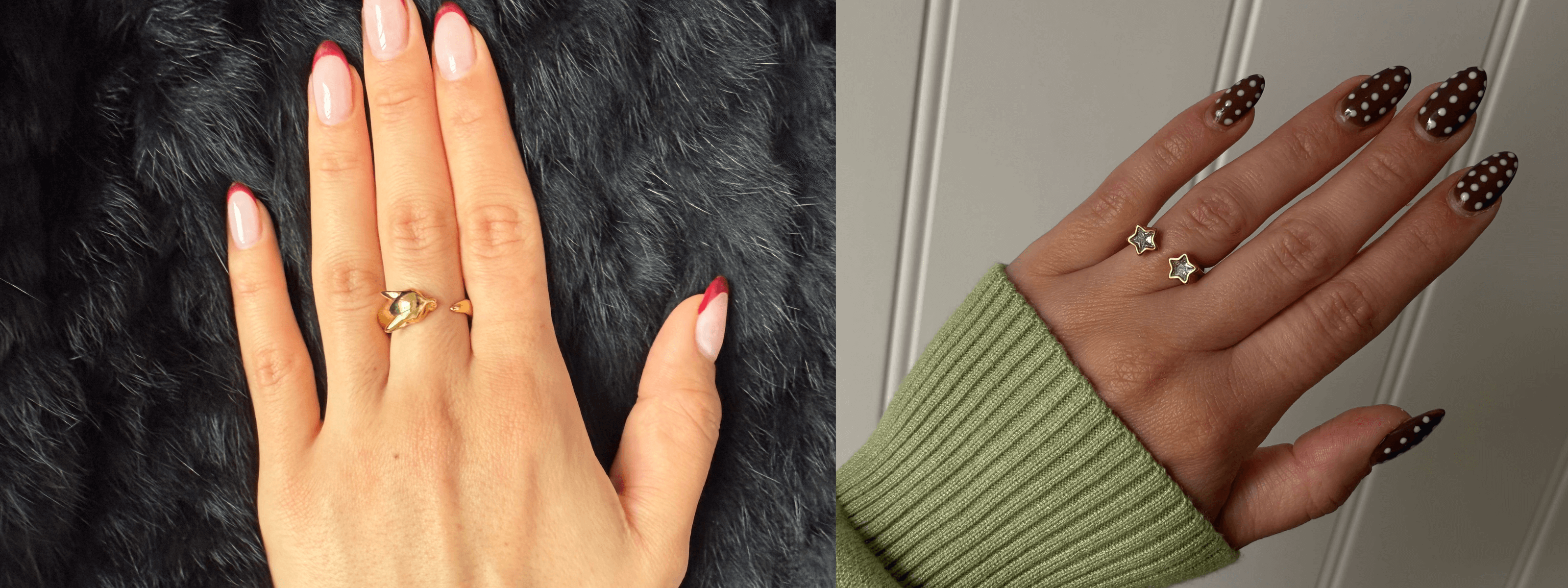
Comparing Hypoallergenic Metals: Titanium, Niobium, and Steel
Navigating the world of hypoallergenic jewelry can feel like a science lesson. You hear terms like titanium, niobium, and surgical steel being thrown around as the "safest" choices. But what's the real difference between them? And which one is truly the best for you?

This guide will put these three champion materials under the microscope. We'll compare them head-to-head on the factors that matter most—safety, durability, style, and value—to help you make an informed decision and understand why high-quality stainless steel jewelry often emerges as the best all-around choice.
The Champions League of Safe Metals
First, let's be clear: Titanium, Niobium, and 316L Surgical Steel are all top-tier, professional-grade materials. The Association of Professional Piercers (APP) approves all three for use in new piercings, which is the highest seal of approval for biocompatibility. The difference lies in their specific strengths.
The Ultimate Head-to-Head Comparison
This chart breaks down the key differences at a glance.
Deep Dive: Choosing the Right Metal for Your Needs
Now, let's translate that chart into a simple decision-making guide.
Choose Titanium or Niobium If...
-
You Have a Brand New Piercing: As we explain in The Safest Earrings for Newly Pierced Ears, the 100% nickel-free purity of these metals provides an extra margin of safety for a healing wound.
-
You Have Extreme Hypersensitivity: If you've reacted even to high-quality surgical steel in the past, these elemental metals are your safest sanctuary.
-
You Crave Unique Color: If you want a vibrant blue, purple, or rainbow piece without paint or plating, Niobium is your best friend.
Choose 316L Surgical Steel If...
-
You Value Everyday Durability: This is where steel is the undisputed king. Its superior hardness means it will resist the scratches and dings of daily life far better than titanium or niobium. Your jewelry will look newer, longer.
-
You Want a Classic, Timeless Look: Stainless steel jewelry offers the brilliant, sophisticated look of precious metals like platinum or white gold.
-
You Have Sensitive Skin (But Not Extreme Hypersensitivity): As we've detailed in Is Stainless Steel Hypoallergenic?, 316L steel is proven to be safe for the vast majority of people.
-
You Want the Best Overall Value: 316L Surgical Steel delivers medical-grade safety and superior durability at the most accessible price point. It allows you to build a large, high-quality, and worry-free collection without breaking the bank.
The Verdict: The Smart All-Rounder vs. The Niche Specialists
Think of it this way: Titanium and Niobium are like specialist tools—incredibly effective for specific, high-stakes jobs.
316L Surgical Steel, on the other hand, is the ultimate multi-tool. It's the intelligent, versatile, and robust choice that handles 99% of situations with ease. It offers the best combination of safety, strength, and style for the real world.
For a collection that is as durable as it is beautiful, you simply cannot beat the proven performance and value of stainless steel jewelry.
Frequently asked questions
Which is the safest hypoallergenic metal: titanium, niobium, or 316L surgical steel?
Titanium and niobium offer the highest hypoallergenic level because each is 100% nickel-free as a pure element, making them the gold standard for extreme sensitivity. 316L surgical steel is also extremely safe, with a negligible nickel release rate that suits the vast majority of people. All three are approved by the Association of Professional Piercers for new piercings.
Is 316L surgical steel really nickel-free?
316L surgical steel is an alloy that does contain some nickel, but it is locked into the steel and has a negligible, safe nickel release rate. This is why it is considered extremely hypoallergenic and safe for most people, even though titanium and niobium are technically 100% nickel-free elements. For the vast majority of wearers, 316L steel causes no reaction.
Which metal is the most durable for everyday jewelry?
316L surgical steel is the strongest of the three, with high resistance to scratches and dents from daily wear. Titanium is very strong but can still be scratched, while niobium is the softest and most prone to scratches. For pieces you wear constantly, steel's durability makes it the most practical choice.
When should I choose titanium or niobium over stainless steel?
Choose implant-grade titanium or niobium for initial piercings, extreme metal allergies, or when you want the lightest possible feel, since titanium is roughly 45% lighter than steel. Niobium is also ideal if you want vibrant, iridescent anodized colors. These are the niche specialists for very specific needs.
Why is 316L stainless steel often the best all-around choice?
316L surgical steel combines extremely high hypoallergenic safety, the best scratch resistance, classic silver, gold and rose gold styling, and the most affordable price of the three. It is the smart all-rounder, while titanium and niobium are specialists for extreme sensitivity or initial piercings. Meideya's waterproof, tarnish-resistant 316L steel jewelry delivers that balance for everyday wear.


Leave a comment
This site is protected by hCaptcha and the hCaptcha Privacy Policy and Terms of Service apply.