
Skip to content

Cart

Free Shipping on All Orders

Your cart is empty

Article: How to Soothe Irritated Ear Piercings

How to Soothe Irritated Ear Piercings

How to Soothe Irritated Ear Piercings

An irritated piercing can quickly turn a beautiful accessory into a source of pain and frustration. Whether it’s a new piercing that’s being fussy or a healed one that suddenly becomes red and angry, knowing how to soothe it safely is crucial.

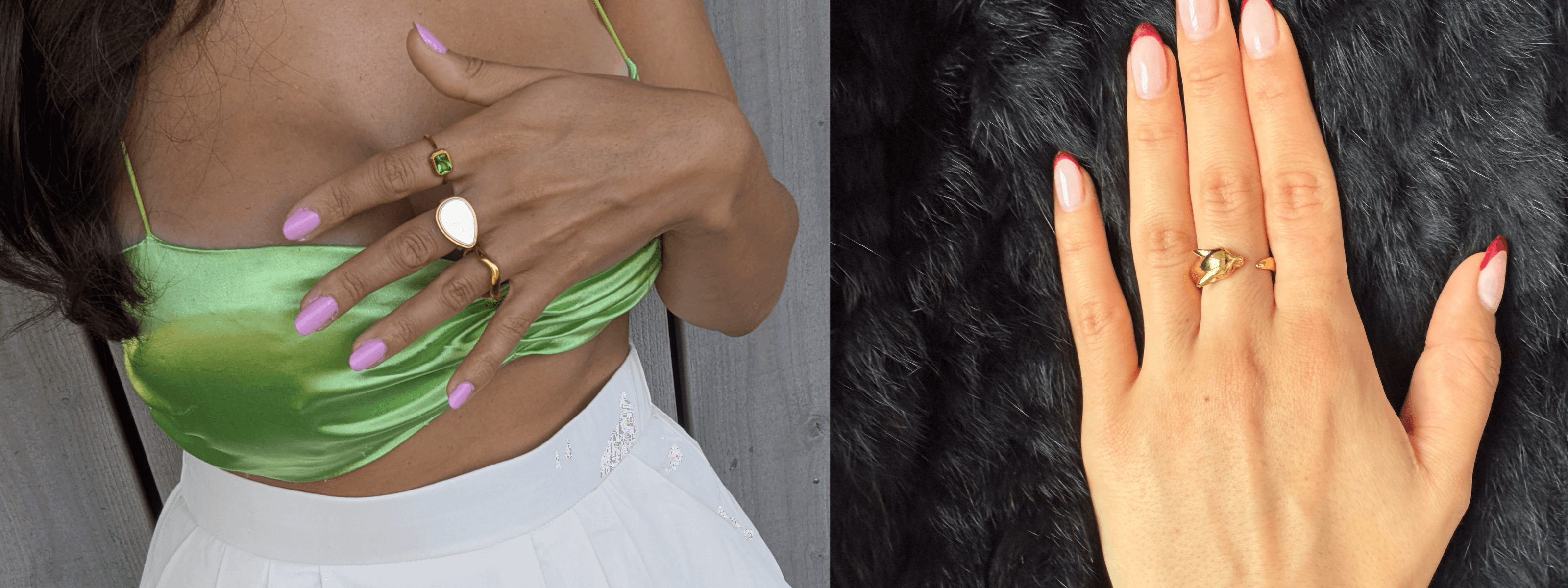
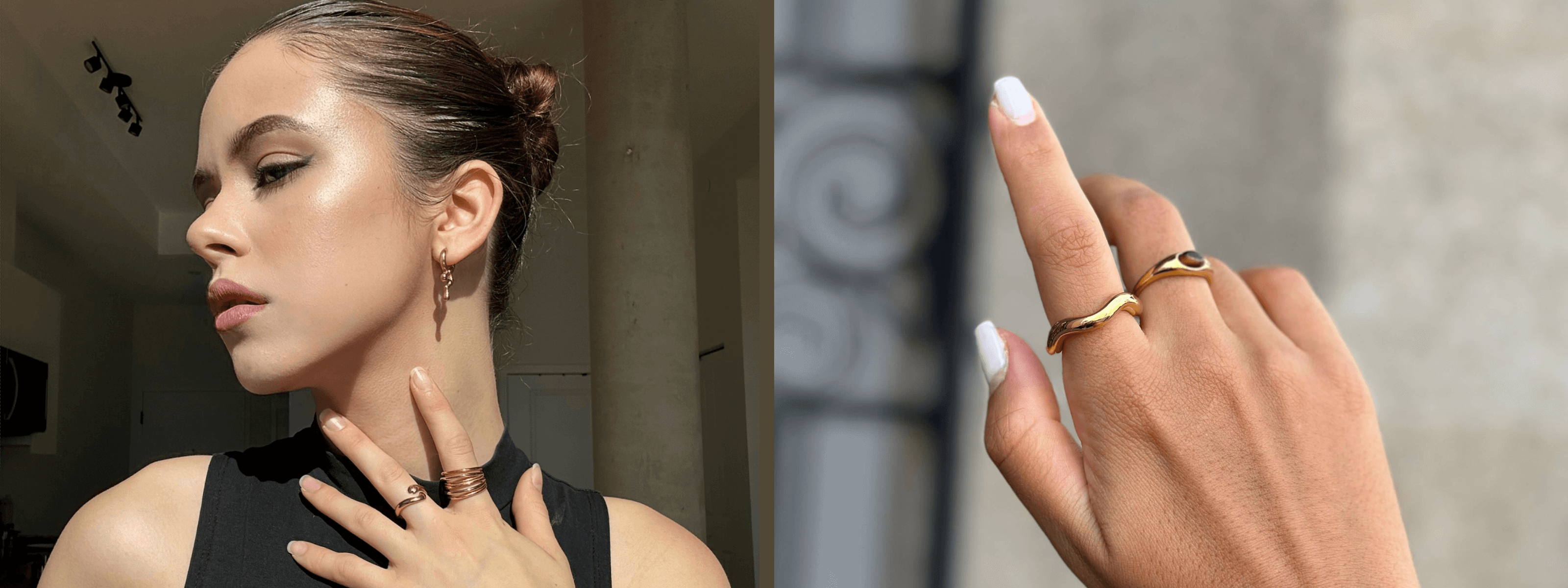
Hypoallergenic jewelry on skin

The good news is that most minor irritations can be managed at home with the right care. This guide, based on professional piercer standards, will help you identify the problem, provide a safe soothing routine, and explain how to prevent future flare-ups.

First, Diagnose the Issue: Is It Irritation or an Infection?

This is the most important first step, as the treatment is different.

  • Irritation is a non-bacterial reaction. It's your body's response to a physical or chemical trigger, like being snagged, sleeping on it wrong, or a reaction to a low-quality metal.

  • An Infection is a bacterial issue that requires more serious attention.

Use this table to help identify your symptoms.

Symptom Simple Irritation Potential Infection (See a Doctor)
Pain Level Mild soreness, tenderness, itchiness. Throbbing, persistent, and often worsening pain.
Swelling & Redness Mild to moderate, usually localized around the piercing. Significant, spreading redness and heat.
Discharge Clear fluid (lymph) or dry crusties. Thick, yellow or green pus, often with a bad odor.
Other Signs Fever, chills, or swollen lymph nodes.

Safety First: If your symptoms align with an infection, do not try to manage it at home. Consult a doctor immediately.

The Professional's Soothing Routine (For Irritation)

For simple irritation, the goal is to calm the area and keep it clean without causing further stress. The Association of Professional Piercers (APP) recommends a simple, gentle approach.

Step 1: Prepare a Sterile Saline Solution

This is the gold standard for piercing aftercare.

  • Best Option: Purchase a sterile saline spray from a pharmacy. The label should list only 0.9% sodium chloride and purified water as ingredients.

  • DIY Option (Use with care): If you cannot buy a sterile solution, you can dissolve 1/4 teaspoon of non-iodized sea salt into one cup (8 oz) of warm distilled or bottled water.

Step 2: The Soothing Soak or Compress

  • Wash Your Hands thoroughly with soap and water.

  • Soak: Dip a clean paper towel into the saline solution, or spray it directly onto the paper towel until saturated.

  • Apply: Hold the warm, wet compress gently against the irritated piercing for 5-10 minutes. This helps to soothe the area, loosen any crust, and promote blood flow. Do this 1-2 times a day.

Step 3: Pat Dry Gently

After soaking, use a fresh, dry paper towel to gently pat the area dry. Do not use a cloth towel, which can harbor bacteria and snag the jewelry.

What to Absolutely AVOID

Using the wrong products will make the irritation much worse. The APP strongly advises against:

  • Rubbing Alcohol & Hydrogen Peroxide: These are far too harsh and will kill healthy healing cells.

  • Antibiotic Ointments: They are not designed for puncture wounds and can trap bacteria.

  • Twisting or Turning the Jewelry: This re-injures the delicate tissue. Leave it alone.

  • Harsh Soaps: Stick to gentle rinsing with water in the shower.

The Ultimate Solution: Prevent Irritation at its Source

Soothing an irritated piercing is a temporary fix. The long-term solution is to remove the source of the irritation. In most cases, the culprit is the jewelry itself.

Low-quality metals can cause allergic reactions, a topic we explore in Why Do My Ears Get Irritated by Earrings?. Switching to a high-quality, biocompatible material is the best way to prevent future problems.

316L Surgical Stainless Steel is a trusted, medical-grade material for this very reason. Its high corrosion resistance and stable composition make it hypoallergenic for the vast majority of people. Once your piercing is calm and healed, upgrading to a piece from a quality stainless steel jewelry collection is the smartest move you can make for the long-term health of your piercing.

By understanding the cause, providing gentle care, and ultimately choosing high-quality jewelry, you can ensure your piercings remain a source of joy, not irritation.

Frequently asked questions

How do I know if my ear piercing is irritated or infected?

Irritation is a non-bacterial reaction to a trigger like snagging, sleeping on it, or a low-quality metal, and it usually causes mild soreness, localized redness, and clear fluid or dry crusties. An infection is bacterial and causes throbbing, worsening pain, spreading redness and heat, thick yellow or green pus with a bad odor, and sometimes fever or chills. If your symptoms match an infection, see a doctor rather than treating it at home.

What is the best way to clean an irritated piercing?

The gold standard recommended by the Association of Professional Piercers is a sterile saline solution. The best option is a sterile saline spray from a pharmacy whose label lists only 0.9% sodium chloride and purified water. Use it for a gentle soak or compress, then pat the area dry to calm the irritation without adding stress.

What should I avoid putting on an irritated piercing?

Avoid harsh products that further stress the skin, and never try to manage a suspected infection at home. The aim with simple irritation is to keep the area clean and calm using gentle saline rather than aggressive cleaners. Sticking to a mild routine helps prevent further flare-ups.

Can low-quality jewelry cause piercing irritation?

Yes. A reaction to a low-quality metal is one of the common triggers of non-bacterial piercing irritation. Switching to a high-quality, hypoallergenic, nickel-free metal removes that chemical trigger at the source. Meideya's 316L stainless steel is nickel-safe and a reliable choice for sensitive piercings.

How can I prevent ear piercing irritation in the future?

Prevent irritation at its source by avoiding snags, not sleeping on the piercing, keeping it clean with sterile saline, and wearing hypoallergenic, nickel-free jewelry. Since reactions to low-quality metal are a frequent cause, choosing 316L stainless steel like Meideya's helps keep piercings calm. Gentle, consistent care does the rest.
Leave a comment

This site is protected by hCaptcha and the hCaptcha Privacy Policy and Terms of Service apply.

All comments are moderated before being published.

Read more

Can Stainless Steel Jewelry Cause a Rash
Cluster: science and safety

Can Stainless Steel Jewelry Cause a Rash?

If you're getting a rash from your stainless steel jewelry, don't blame the steel just yet. This guide explains why the true culprit is almost always a nickel allergy triggered by low-grade alloys....

Read more
The Role of Molybdenum: The Secret to 316L Steel's Safety and Shine
Cluster: science and safety

The Role of Molybdenum: The Secret to 316L Steel's Safety and Shine

Ever wondered what makes 316L stainless steel truly special? It's a secret ingredient called Molybdenum. This guide reveals the science behind this unsung hero, explaining how it acts as a "special...

Read more