

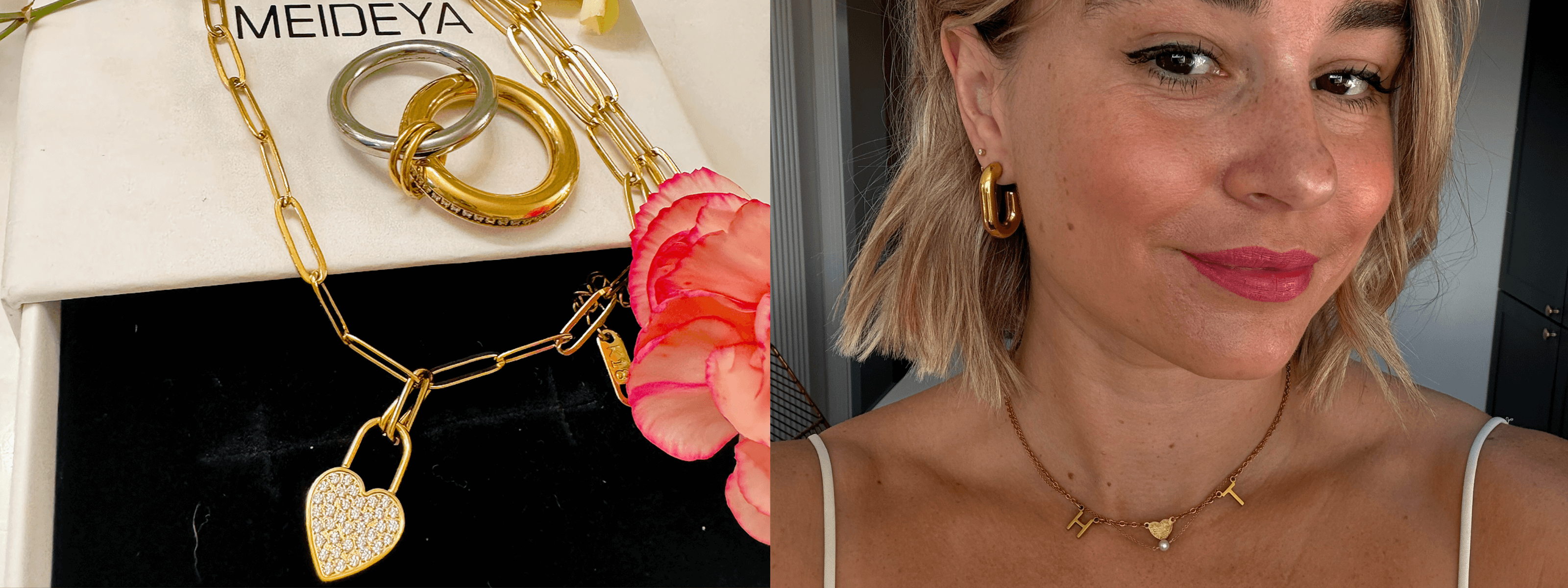
316L Steel: The Secret Behind High-Quality, Tarnish-Resistant Stainless Steel Jewelry
Have you ever bought a beautiful piece of jewelry, only to have it tarnish, turn your skin green, or cause irritation after just a few weeks of wear? It's a common frustration. This is where the brilliance of stainless steel jewelry comes in, offering a durable and hypoallergenic solution.
But did you know that not all stainless steel jewelry is created equal?
When you browse a curated collection of high-quality stainless steel jewelry, you will often see the grade "316L" mentioned. This isn't just a technical code; it's your guarantee of superior quality and longevity. Let's uncover the secret behind 316L and why it's the gold standard for tarnish-resistant jewelry.

The Foundation: What Makes Stainless Steel Jewelry “Stainless”?
First, the basics. The "stainless" quality of any stainless steel comes from a key ingredient: Chromium. According to Wikipedia, this element forms a thin, invisible protective layer when exposed to oxygen. Think of it as a self-healing shield that prevents rust and everyday tarnish. This shield is why stainless steel jewelry is fundamentally more durable than many other metals.
However, this basic shield has its limits, which is why the specific grade of steel matters so much.
The Key Upgrade: Molybdenum, The "Waterproof" Ingredient
The real magic of 316L grade lies in the addition of a special element: Molybdenum (Mo). While common 304 stainless steel (used for kitchen sinks) contains no molybdenum, 316L has a crucial 2-3%.
So, what does Molybdenum do for your jewelry? It provides superior protection against chlorides.
Chlorides are the arch-nemesis of most metals and are found in everyday life:
-
Sweat
-
Swimming pool chlorine
-
Saltwater
-
Even tap water
Molybdenum gives 316L stainless steel jewelry a superpower: the ability to resist corrosion from these common substances. This translates into real-world, worry-free benefits for you:
-
Sweat-Proof: Wear it to the gym without fear.
-
Waterproof: Shower with it on.
-
Beach-Ready: Take it for a swim in the ocean.
This exceptional resistance is why 316L is known as "marine-grade" steel, trusted for use on boats and in harsh coastal environments. If it can handle the ocean, it can certainly handle your daily life.
More Than Tarnish Resistance: Other Benefits of 316L Stainless Steel Jewelry
The advantages of choosing stainless steel jewelry made from 316L go even further.
Hypoallergenic: A Savior for Sensitive Skin
The "L" in 316L stands for "Low Carbon," and the alloy's structure tightly binds the nickel content. This prevents the metal from leaching onto your skin, which is the common cause of allergic reactions. This is why 316L is also called "surgical-grade" or "medical-grade" steel, used for medical implants. For jewelry wearers, it means no itching, redness, or green skin.
Superior Durability
Compared to softer metals like sterling silver or plated brass, 316L steel is incredibly tough. It resists scratches, dents, and bending, ensuring your favorite pieces look new for years, not just months.

How to Ensure You're Buying the Best Stainless Steel Jewelry
When shopping, always check the product details. Reputable brands will proudly state that their pieces are crafted from 316L or Surgical-Grade Stainless Steel. This transparency is a key indicator of quality. Investing in 316L stainless steel jewelry means you're not just buying an accessory; you're investing in a piece designed for a lifetime of wear.
In summary, the "316L" in your stainless steel jewelry is your assurance of:
-
Unmatched tarnish and corrosion resistance (thanks to Molybdenum).
-
A truly waterproof and sweat-proof experience.
-
A hypoallergenic material that's safe for sensitive skin.
-
Exceptional durability for everyday life.
Now that you know the secret to finding long-lasting, beautiful jewelry, you can choose your next piece with confidence.
Frequently asked questions
What is the difference between 316L and 304 stainless steel for jewelry?
The key difference is molybdenum. 304 stainless steel contains no molybdenum, while 316L contains 2-3%, which gives it superior resistance to chlorides found in sweat, pool water, saltwater and tap water. This makes 316L far better suited for jewelry you wear daily and in water.
Why is 316L stainless steel jewelry considered waterproof?
316L resists corrosion from chlorides thanks to its molybdenum content and the protective chromium oxide layer that forms on its surface. This means you can shower, swim, sweat at the gym and wear it at the beach without it rusting or tarnishing. It is built to handle everyday water exposure worry-free.
Is 316L stainless steel jewelry safe for sensitive skin?
Yes. 316L is hypoallergenic and nickel-free, making it a safe choice for people with sensitive skin or metal allergies. Because it does not release the irritants that cause reactions, it is far less likely to turn your skin green or cause irritation than cheaper metals.
What makes stainless steel jewelry tarnish-resistant?
The chromium in stainless steel reacts with oxygen to form a thin, invisible, self-healing protective layer that prevents rust and everyday tarnish. In 316L, the added molybdenum strengthens this resistance against the chlorides that corrode lesser metals, so it keeps its shine far longer.
How can I make sure I am buying genuine 316L stainless steel jewelry?
Look for the grade "316L" clearly stated in the product description, as this confirms the molybdenum content that delivers superior corrosion resistance. Buying from a curated collection that specifies surgical-grade 316L is your best assurance of quality, durability and tarnish resistance.


Leave a comment
This site is protected by hCaptcha and the hCaptcha Privacy Policy and Terms of Service apply.