

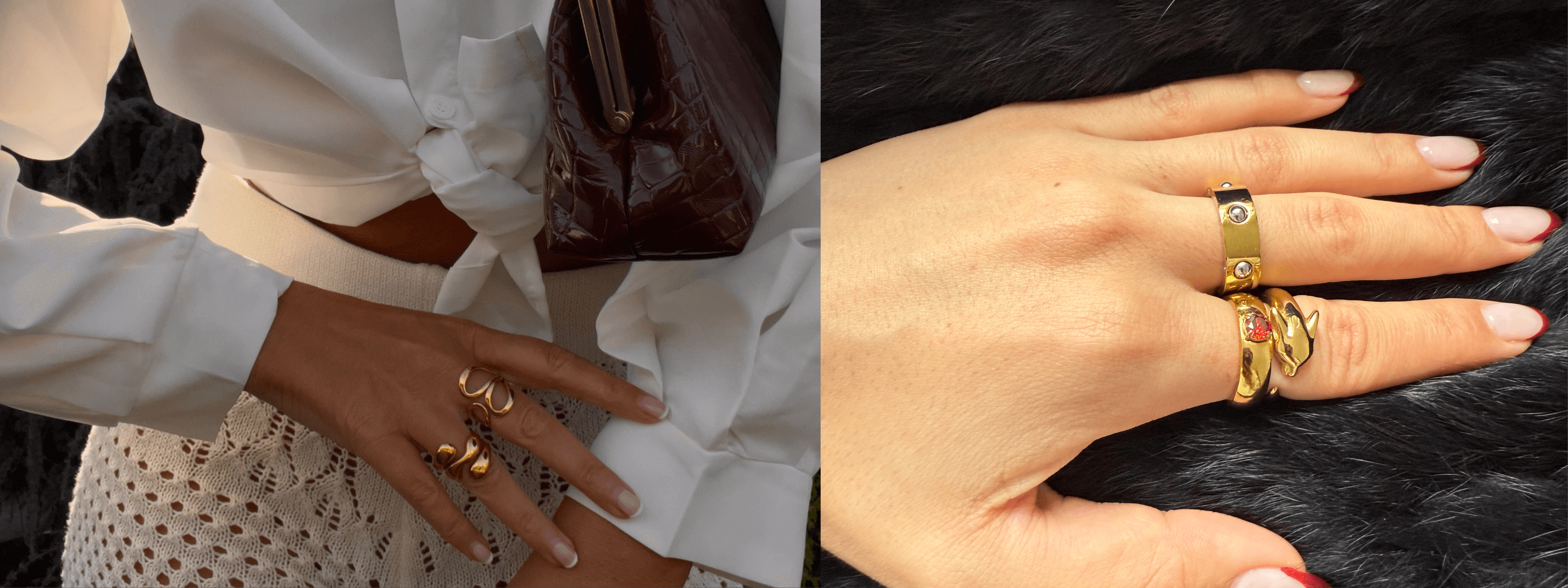
The Best Non-Metal Earring Options for Extreme Allergies
You've done everything right. You've diligently searched for "hypoallergenic" and "nickel-free" labels. You may have even tried high-karat gold or surgical steel, yet you're still left with the frustrating itch, redness, and irritation of an allergic reaction.
For those with extreme metal sensitivities, it can feel like a hopeless situation. But it's not.
When even the safest metals cause a reaction, it's time to look beyond metal entirely. This guide will introduce you to the world of truly non-metal and biocompatible materials recommended by professionals, and show you a path back to wearing beautiful jewelry with comfort and confidence.

Beyond Hypoallergenic: The Ultimate Standard of Biocompatibility
For extreme sensitivities, we need to look beyond marketing terms and focus on a medical standard: Biocompatibility. This means a material is so inert that the human body doesn't even recognize it as a foreign object.
The Association of Professional Piercers (APP) sets the global standard for this, approving materials that are proven safe even for fresh, healing piercings. The following non-metal options meet this exacting standard.
The Top Non-Metal Choices for Ultimate Safety
1. Glass Jewelry
Glass is one of the most elegant and body-safe materials available.
-
Why it's safe: It is completely non-porous and has an ultra-smooth surface. This means it cannot harbor bacteria and will not release any substances into your skin. It is chemically inert.
-
Best for: Everyday wear in healed piercings. Its smooth surface also makes it a preferred material for stretching earlobes.
-
Considerations: While durable, it is still glass and can break if dropped on a hard surface.

2. Medical-Grade Plastics (Bioplast® & BioFlex™)
These are not your average plastics. Bioplast® and BioFlex™ are trademarked, medical-grade plastics that are certified biocompatible.
-
Why it's safe: They are flexible, nickel-free, and have a proven history of use in medical procedures. Their flexibility can reduce stress on a piercing.
-
Best for: Retainers (to keep a piercing open discreetly), sports, or for individuals who need a flexible, lightweight option.
-
Considerations: They don't offer the classic, metallic look that many people desire for their everyday style.
The Bridge: Are There Any "Safe" Metals Left?
For those who miss the look and feel of metal, there is still hope. The next step up the safety ladder involves pure, elemental metals that are also APP-approved.
-
Implant-Grade Titanium & Niobium: As pure elements, these are 100% nickel-free and are considered as safe as non-metals by piercing professionals. They are the top choice for initial piercings. We compare them in detail in our Titanium vs. Steel guide.

The Best of Both Worlds: A Path Back to Metal with 316L Steel
While non-metal options provide ultimate safety, many people still long for the durability, weight, and timeless shine of traditional jewelry. This is where 316L Surgical Stainless Steel provides a potential path back.
For many who react to lower-grade metals, 316L steel is the solution that finally works.
-
Why it's different: As we explain in our guide, Is Stainless Steel a Biocompatible Material?, 316L is an alloy engineered for stability. Its nickel content is so tightly locked in that the release rate is negligible, falling below the allergy threshold for the vast majority of people.
-
The test: If you've exhausted all other metal options, trying a single, high-quality piece of certified 316L stainless steel jewelry is a logical next step. It offers the "metal experience"—the durability, the classic shine, the endless styles—with a safety profile trusted by surgeons.
Your Path Forward: A Summary
-
For Absolute Zero Risk: Start with Glass or Bioplast.
-
For the Safest Metal Experience: Try Implant-Grade Titanium.
-
For a Return to Durable, Stylish, and Affordable Metal: Test a high-quality piece of 316L Surgical Steel.
An extreme allergy can feel limiting, but it's also an opportunity to discover a world of high-quality, body-safe materials. By understanding your options, you can make an informed choice that prioritizes your health without sacrificing your style. Explore our collection of certified 316L stainless steel jewelry and discover a safe way to fall in love with metal again.
Frequently asked questions
What are the best non-metal earring options for extreme metal allergies?
For extreme sensitivities, the safest non-metal choices are glass jewelry and certified medical-grade plastics like Bioplast and BioFlex. Both meet the Association of Professional Piercers (APP) biocompatibility standard, meaning the body treats them as inert and does not react to them. They are ideal when even high-karat gold or surgical steel still triggers irritation.
Why does glass jewelry rarely cause allergic reactions?
Glass is completely non-porous and chemically inert, with an ultra-smooth surface that does not release any substances into your skin. Because it cannot harbor bacteria and contains no reactive metals, it is one of the most body-safe materials available. The main drawback is that, like any glass, it can break if dropped on a hard surface.
Are Bioplast and BioFlex plastics safe for sensitive ears?
Yes. Bioplast and BioFlex are trademarked, medical-grade plastics certified as biocompatible, with a proven history of use in medical procedures. They are flexible and completely nickel-free, which makes them a reliable option for people who react to metals. Their flexibility can also reduce pressure and irritation during wear.
What does "biocompatible" mean and why does it matter more than "hypoallergenic"?
Biocompatible means a material is so inert that the body does not recognize it as a foreign object, which is a medical standard rather than a marketing term. "Hypoallergenic" only suggests a reduced chance of reaction and is not strictly regulated. The APP approves biocompatible materials as safe even for fresh, healing piercings, making it the more meaningful standard for extreme allergies.
If I have a metal allergy, can I ever wear metal jewelry again?
Often, yes. Once your skin has settled, 316L stainless steel offers a path back to metal because it is nickel-free, hypoallergenic, and corrosion-resistant. Meideya uses 316L steel that is waterproof and tarnish-resistant, so it stays inert against the skin. Many people who react to cheap costume metals tolerate genuine 316L well in healed piercings.

Leave a comment
This site is protected by hCaptcha and the hCaptcha Privacy Policy and Terms of Service apply.