

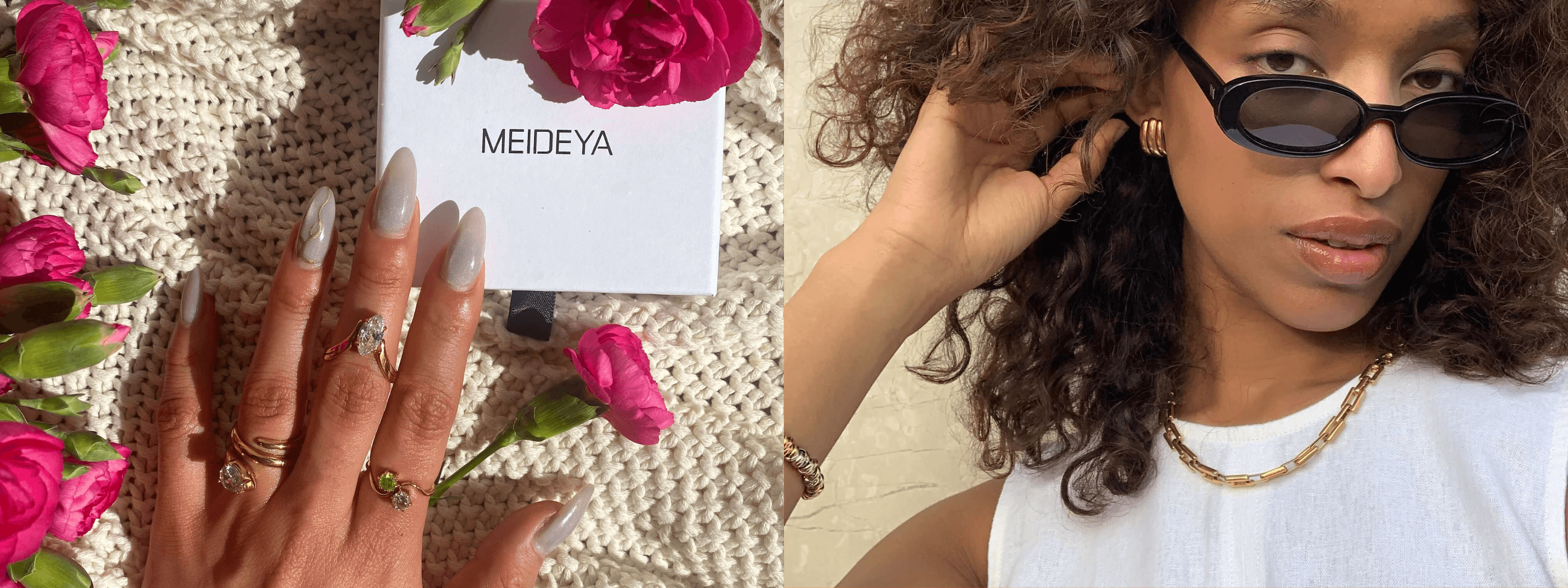
Does Stainless Steel Jewelry Rust? Everything You Need to Know
The word "stainless" itself makes a bold promise, but can that promise hold up to the rigors of daily life when it comes to your jewelry? The answer is a confident yes: under normal wearing conditions, high-quality stainless steel jewelry will not rust. Its exceptional resistance to rust is a primary reason it has become a go-to material for modern accessories. This reliability is precisely what makes high-quality stainless steel jewelry such a smart and dependable choice for your collection.

The Chemistry of Rust-Resistance
Rust is the common term for iron oxide, which forms when iron reacts with oxygen and water. Standard steel, being mostly iron, is highly susceptible to this process. Stainless steel, however, fundamentally changes this by including a key ingredient in its alloy: a minimum of 10.5% chromium.
This chromium content is the secret to its "stainless" property. When exposed to the environment, the chromium reacts with oxygen to form a thin, durable, and transparent layer of chromium oxide on the steel's surface. This invisible, passive film acts as a protective shield, sealing the iron within the alloy from the outside elements and preventing the oxidation process that leads to rust.
Are There Exceptions?
While stainless steel is incredibly rust-resistant, it's not entirely invincible. In certain extreme conditions, its protective layer can be challenged:
-
Harsh Chemical Exposure: Prolonged contact with aggressive chemicals, such as chlorine (in swimming pools and some cleaners) and bleach, can break down the protective film and potentially lead to corrosion.
-
Physical Damage in Salty Environments: While the protective layer can self-heal from minor scratches, deep gouges combined with prolonged exposure to saltwater without rinsing can create an opportunity for localized corrosion to begin.
316L Surgical Steel: The Gold Standard for Rust-Proof Jewelry
When choosing stainless steel jewelry, the grade is the most important factor. 316L stainless steel, also known as surgical steel or marine-grade steel, is considered the premium choice for its superior rust resistance. This is because, in addition to chromium, 316L contains an element called molybdenum. Molybdenum significantly enhances the steel's ability to resist corrosion from chlorides, which are found in saltwater and chlorinated pool water. This added protection makes it the most reliable material for creating durable stainless steel rings and bracelets that are meant to be worn everywhere.

Conclusion
For jewelry designed to withstand the adventures of everyday life, choosing pieces made from 316L stainless steel means selecting a material you can trust to remain rust-free. Its very composition is engineered for lasting durability and shine.
Live, swim, and shower in your jewelry. Explore our collection of durable, rust-proff, stainless steel necklaces.
Frequently asked questions
Does stainless steel jewelry rust?
Under normal wearing conditions, high-quality stainless steel jewelry will not rust. It contains at least 10.5% chromium, which reacts with oxygen to form a thin, transparent layer of chromium oxide that seals the iron inside the alloy from moisture and air. This passive shield is what prevents the oxidation that causes rust.
Why is chromium important for preventing rust in stainless steel?
Rust is iron oxide, which forms when iron reacts with oxygen and water, and standard steel is highly susceptible because it is mostly iron. Stainless steel includes a minimum of 10.5% chromium, which forms a durable, invisible passive film of chromium oxide on the surface. This film blocks oxygen and moisture from reaching the iron, stopping rust before it can start.
Are there any conditions that can make stainless steel jewelry corrode?
Stainless steel is highly rust-resistant but not completely invincible. Prolonged contact with harsh chemicals like chlorine or bleach can break down the protective film, and deep gouges combined with long, un-rinsed exposure to saltwater can allow localized corrosion to begin. Rinsing your jewelry after pool or ocean exposure helps avoid these rare issues.
What is 316L surgical steel and why is it best for jewelry?
316L is a premium grade of stainless steel often called surgical or marine grade, and it is the standard Meideya uses for its jewelry. Its grade is the most important factor in rust resistance, offering excellent durability while remaining hypoallergenic and nickel-free. This makes it a dependable, rust-proof choice for everyday wear.
Can the protective layer on stainless steel repair itself if scratched?
Yes. The chromium oxide film is self-healing, so when the surface is lightly scratched, the freshly exposed chromium reacts with oxygen to reform the protective layer. This is why minor everyday scratches do not lead to rust on quality 316L stainless steel jewelry.


Laisser un commentaire
Ce site est protégé par hCaptcha, et la Politique de confidentialité et les Conditions de service de hCaptcha s’appliquent.