

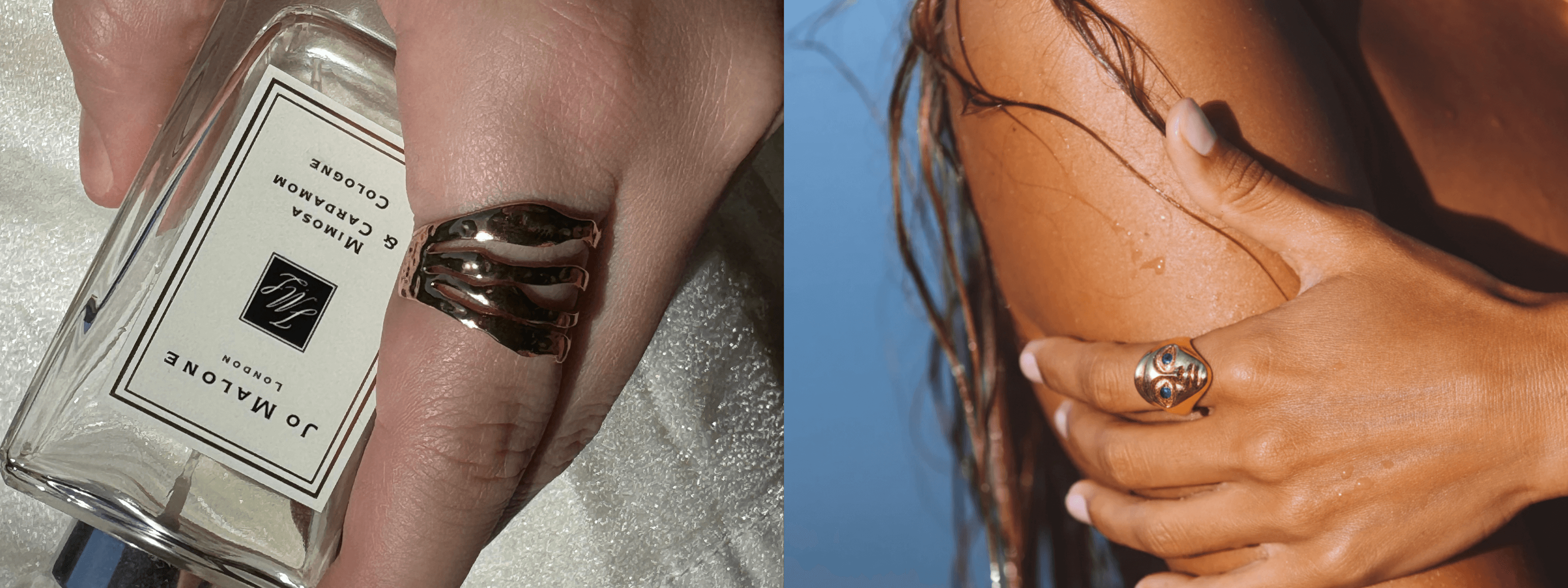
The Difference Between Stainless Steel and Sterling Silver for Allergies
When choosing classic, silver-toned jewelry, two materials dominate the market: Sterling Silver and Stainless Steel. Both are beautiful and beloved, but for those with sensitive skin, the difference between them can mean the difference between comfortable daily wear and a painful, itchy rash.

So, which one is truly the safer choice?
While sterling silver has a long and storied history, this guide will provide a clear, science-backed comparison and explain why modern stainless steel jewelry has emerged as the superior choice for anyone concerned about allergies.
What is Sterling Silver? Understanding the ".925" and Its Hidden Risk
Sterling silver is a precious metal alloy defined by its purity: it must contain at least 92.5% pure silver. The remaining 7.5% is composed of other metals added for strength and durability, as pure silver is too soft for everyday jewelry.
Traditionally, this 7.5% is copper, which is safe for most people. However, there is no universal standard, and some manufacturers may mix in other metals—including nickel—to cut costs or alter the properties of the alloy.
This creates what we call the "Alloy Lottery." When you buy a piece of sterling silver, you are taking a gamble on that hidden 7.5%. For those with sensitive skin, it's a risk that can lead to a significant allergic reaction.
What is 316L Surgical Steel? The Standard of Predictable Safety
316L Surgical Steel is a medical-grade alloy with a precisely defined composition. While it does contain nickel, its genius lies in its chemistry. The nickel is so tightly bonded within the metal's structure that it has an extremely low release rate.
As we explain in our guide, Is Stainless Steel Hypoallergenic?, it doesn't "leak" onto the skin. This predictable stability is why it's trusted for surgical implants and is considered hypoallergenic for the vast majority of people. There is no lottery; the safety is engineered into the material itself.
The Head-to-Head Comparison: Steel vs. Silver
The Verdict: Which Metal is Right for You?
Choose Sterling Silver if...
-
You have no known metal sensitivities.
-
You love its classic, bright-white luster and are willing to commit to regular polishing and cleaning to combat tarnish.
-
You are purchasing from a highly reputable brand that can guarantee its silver alloy is nickel-free.
Choose Stainless Steel if...
-
You have sensitive skin. This is the most important factor. The proven, predictable hypoallergenic nature of 316L steel eliminates the guesswork.
-
You live an active lifestyle. Its superior durability means you don't have to worry about scratches or damage.
-
You want zero-maintenance jewelry. You can wear it in the shower, to the gym, and it will not tarnish.
-
You want the best overall value. It delivers a premium look and superior performance without the premium price tag.
Conclusion: The Smart Choice for Modern Wearers
While sterling silver holds a traditional appeal, for the modern jewelry wearer who values safety, durability, and a worry-free experience, the choice is clear.
The science and real-world performance of stainless steel jewelry make it the intelligent, reliable, and ultimately superior option for anyone, especially those with sensitive skin. Why gamble with an unknown alloy when you can choose a material engineered for a lifetime of comfort and shine?
Explore our collection of beautiful, durable, and hypoallergenic stainless steel jewelry and feel the difference for yourself.
Frequently asked questions
Is stainless steel or sterling silver better for allergies?
For sensitive skin, 316L surgical stainless steel is generally the safer choice. Its composition is precisely defined, so nickel release is predictably low. Sterling silver's 7.5% alloy content has no universal standard and can sometimes include nickel, creating an unpredictable risk.
What does the .925 stamp on sterling silver mean?
It means the piece contains at least 92.5% pure silver. The remaining 7.5% is other metals added for strength, since pure silver is too soft for everyday wear. That portion is traditionally copper, which is safe for most people, but it isn't guaranteed to be nickel-free.
Why is sterling silver called an 'alloy lottery' for allergies?
Because there is no universal standard for the 7.5% of non-silver metal, some manufacturers mix in other metals, including nickel, to cut costs. When you buy sterling silver you are gambling on that hidden composition, which can trigger a reaction in sensitive wearers.
Sterling silver and 316L both contain metals beyond the main one, so why is steel safer?
The difference is predictability. 316L surgical steel has a precisely defined, medical-grade composition where nickel is bonded so tightly it has an extremely low release rate and doesn't leak onto skin. Sterling silver's alloy varies by maker, so its safety isn't engineered or guaranteed.
When should I choose stainless steel over sterling silver?
Choose 316L stainless steel if you have sensitive skin, want predictable safety, or need jewelry that holds up to daily wear. It is waterproof and tarnish-resistant, unlike sterling silver, which can tarnish over time and carries the alloy lottery risk for allergy-prone wearers.

Laisser un commentaire
Ce site est protégé par hCaptcha, et la Politique de confidentialité et les Conditions de service de hCaptcha s’appliquent.