

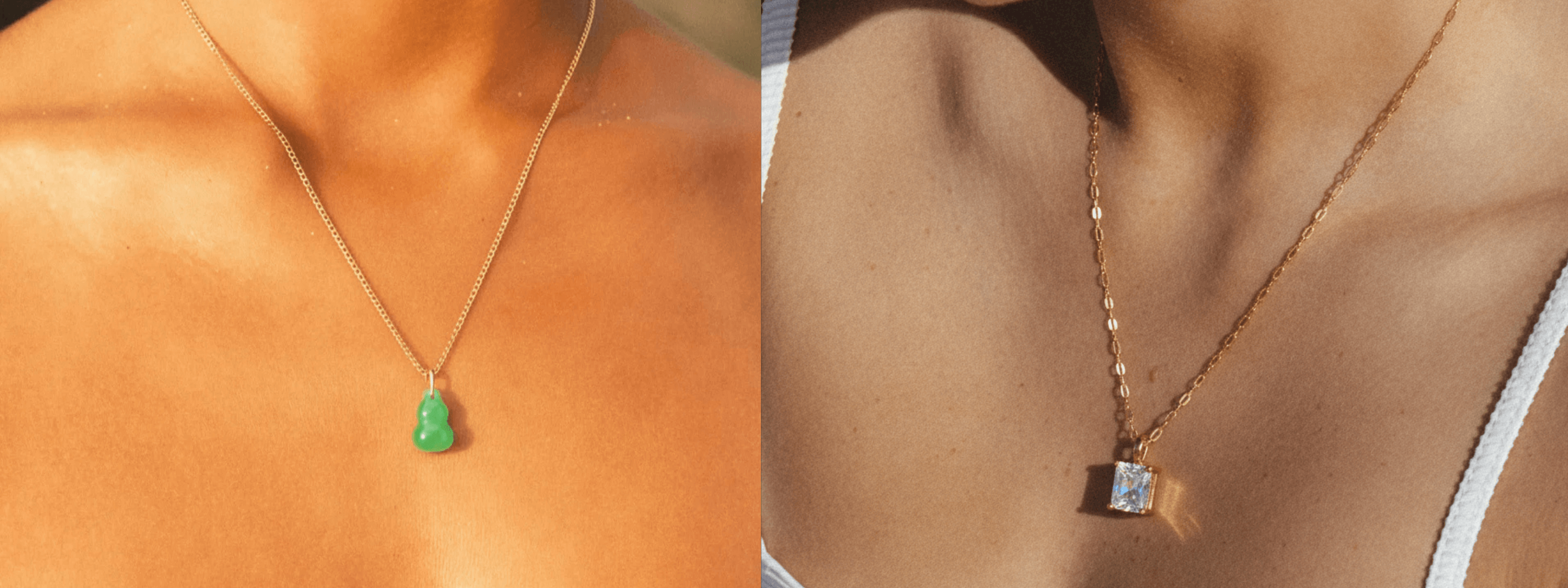
How to Tell if Your Earrings are Hypoallergenic: A 5-Step Detective's Guide
You’re holding a beautiful pair of earrings, maybe a gift or an impulse buy from a local market. A single question holds you back from wearing them: "Are these safe for my sensitive ears?" The fear of an itchy, painful reaction is real, and the lack of clear information can be frustrating.

Good news. You don't have to guess. By acting like a jewelry detective and following a few simple clues, you can determine whether a pair of earrings is likely to be hypoallergenic.
This 5-step guide will walk you through the entire investigation, from the easiest checks to the most definitive tests, helping you build a jewelry collection you can wear with confidence.
Step 1: Read the Label (The Easiest Clue)
Before you do anything else, check the source. A reputable brand that uses high-quality materials will be proud to tell you about it. Look at the product description, tag, or packaging for these "safe words":
-
316L Surgical Steel or Surgical Stainless Steel
-
Implant-Grade Titanium
-
14k, 18k, or 24k Gold
-
Platinum
-
Niobium
-
Nickel-Free
If you see any of these terms, you can be reasonably confident the earrings are hypoallergenic. To understand what each of these materials means, check out our Complete Guide to the Best Metals for Sensitive Skin.
Step 2: Check for Stamps & Hallmarks (A Sign of Quality)
For precious metals, small stamps (hallmarks) are often engraved on the post or back of the earring.
-
"925" or "Sterling" indicates Sterling Silver.
-
"14k" or "585" indicates 14-karat gold.
-
"PLAT" or "950" indicates Platinum.
Important Caveat: A hallmark is a good sign of material purity, but it doesn't automatically guarantee "hypoallergenic." For example, some sterling silver can still contain nickel.
Step 3: The Magnet Test (A Common but Unreliable Myth)
You may have heard that if a magnet sticks to your jewelry, it’s low-quality and not hypoallergenic. This is a common and highly unreliable myth.
Here's the truth: The magnetic properties of a metal have no correlation with whether it will cause an allergic reaction.
-
Many high-quality, hypoallergenic stainless steels (including some grades of surgical steel) are magnetic.
-
Many cheap, non-hypoallergenic metals are not magnetic.
Verdict: Do not rely on the magnet test. It tells you nothing about the safety of your earrings.
Step 4: The Nickel Test Kit (Your At-Home Chemical Test)
If you want a definitive, at-home answer, the most reliable method is a Nickel Test Kit. These kits, available online or at pharmacies, contain a solution of dimethylglyoxime.
-
How it works: You rub a cotton swab with the solution on a hidden part of the earring. If the swab turns pink or reddish, it indicates the presence of leachable nickel, and the earrings are likely to cause a reaction.
-
This is the only DIY method that provides real chemical proof.
Step 5: The Ultimate Solution - Choose a Trusted Material from the Start
Playing detective can be useful, but the ultimate way to ensure your earrings are hypoallergenic is to not have to guess in the first place.
This is where the beauty of 316L surgical stainless steel comes in. It's not a vague promise; it's a specific, verifiable grade of metal known for its safety and biocompatibility. As we explain in our guide, Is Stainless Steel Hypoallergenic?, its unique composition makes it a worry-free choice for the vast majority of people with sensitive skin.
By choosing stainless steel jewelry from a trusted source, you bypass the need for tests and guesswork. You are choosing a material with a proven track record, from medical implants to fine jewelry.
In conclusion, while these detective steps can help you assess unknown pieces, the most confident and comfortable way to enjoy jewelry is to invest in a collection where safety and quality are guaranteed. Explore our stainless steel jewelry collection, where every piece is crafted from hypoallergenic 316L steel, so you can wear it beautifully, without a second thought.
Frequently asked questions
How can I tell if my earrings are hypoallergenic?
Start by reading the label or product description for trusted "safe words" like 316L surgical steel, implant-grade titanium, solid gold, platinum, or niobium. You can also check for hallmark stamps and, if needed, use an at-home nickel test kit to chemically confirm whether nickel is present.
What stamps or hallmarks indicate quality metals?
For precious metals, small hallmarks are often engraved on the post or back of the earring: "925" or "Sterling" indicates sterling silver, "14k" or "585" indicates 14-karat gold, and "PLAT" or "950" indicates platinum. Keep in mind a hallmark proves purity but doesn't automatically guarantee hypoallergenic, since some sterling silver can still contain nickel.
Does the magnet test tell me if earrings are hypoallergenic?
No, the magnet test is a common but highly unreliable myth. The magnetic properties of a metal have no correlation with whether it is hypoallergenic, so a magnet sticking to your jewelry does not mean it is low-quality or unsafe.
What is the most reliable way to test for nickel at home?
An at-home nickel test kit is the most definitive consumer test. It uses a simple chemical solution to detect whether nickel is being released from the jewelry's surface, giving you a clear answer when labels and hallmarks leave you uncertain.
What is the easiest way to guarantee hypoallergenic earrings?
The ultimate solution is to choose a trusted material from the start rather than testing after purchase. Buying from a brand that uses 316L surgical steel, titanium, or solid gold, like Meideya's nickel-free, hypoallergenic stainless steel jewelry, removes the guesswork entirely.


Laisser un commentaire
Ce site est protégé par hCaptcha, et la Politique de confidentialité et les Conditions de service de hCaptcha s’appliquent.