

Why Surgical Steel is Recommended by Piercers
When you get a new piercing, you're placing immense trust in the person holding the needle. You trust their skill, their hygiene, and just as importantly, their choice of material for your first piece of jewelry. For decades, one material has remained a trusted staple in piercing studios worldwide: Surgical Steel.
But why? What makes this specific type of stainless steel jewelry the go-to choice for so many professionals who prioritize your health and safety above all else?
This guide will take you behind the curtain and explain the professional reasoning. We'll break down the "piercer's checklist"—the core reasons why surgical steel has earned its place as one of the most recommended materials for body jewelry.

First, Let's Be Specific: Not All Steel is "Surgical Steel"
A professional piercer would never use a random piece of stainless steel. When they say "surgical steel," they are referring to a very specific, implant-grade alloy that meets stringent standards.
The most common and trusted grade is 316L Stainless Steel, specifically that which is compliant with the ASTM F138 standard. This designation ensures the metal's composition is pure and consistent enough to be used for surgical implants. As we explain in our guide, What is 316L Stainless Steel?, it's a material engineered for safety.
The Piercer's Checklist: 3 Core Reasons for Recommending Surgical Steel
A professional piercer's recommendation is based on a rigorous evaluation of a material's performance. Here’s what makes 316L surgical steel pass the test.

1. Proven Biocompatibility (The Safety Check)
This is the number one priority. Biocompatibility means the material can coexist with human tissue without causing a harmful reaction.
-
Why it passes: 316L steel is proven to be biocompatible. It is so stable that it is used for bone screws and joint replacements that live inside the human body for years. For a piercing, this means it is highly unlikely to cause an allergic reaction in the vast majority of people. The Association of Professional Piercers (APP), the leading authority in the industry, lists implant-grade steel as a suitable material for new piercings, a fact we explore in our article, Is Stainless Steel Hypoallergenic?.
2. Exceptional Corrosion Resistance (The Durability Check)
A new piercing is an open wound that needs a stable, clean environment to heal.
-
Why it passes: Surgical steel is exceptionally corrosion resistant. It will not react with or be degraded by bodily fluids, sweat, or the saline solutions used for aftercare. It doesn't rust or tarnish, meaning no harmful oxides or compounds will interfere with the healing process.
3. A Flawless, Non-Porous Surface (The Hygiene Check)
The surface finish of initial jewelry is critical.
-
Why it passes: 316L steel can be polished to a mirror-like, non-porous finish. This ultra-smooth surface minimizes areas where bacteria can hide and makes the jewelry easy to clean, which is essential for preventing infections.

The Professional's Perspective: Surgical Steel vs. Titanium
It's true that in recent years, implant-grade titanium has also become a top recommendation, often preferred for individuals with extreme nickel hypersensitivities. As we cover in our Titanium vs. Surgical Steel comparison, titanium is lighter and 100% nickel-free.
However, surgical steel remains a globally trusted industry standard, with a decades-long track record of safe use in millions of successful piercings. It offers a fantastic combination of proven safety, classic aesthetics, and greater affordability.
From Piercing Studio to Your Everyday Style
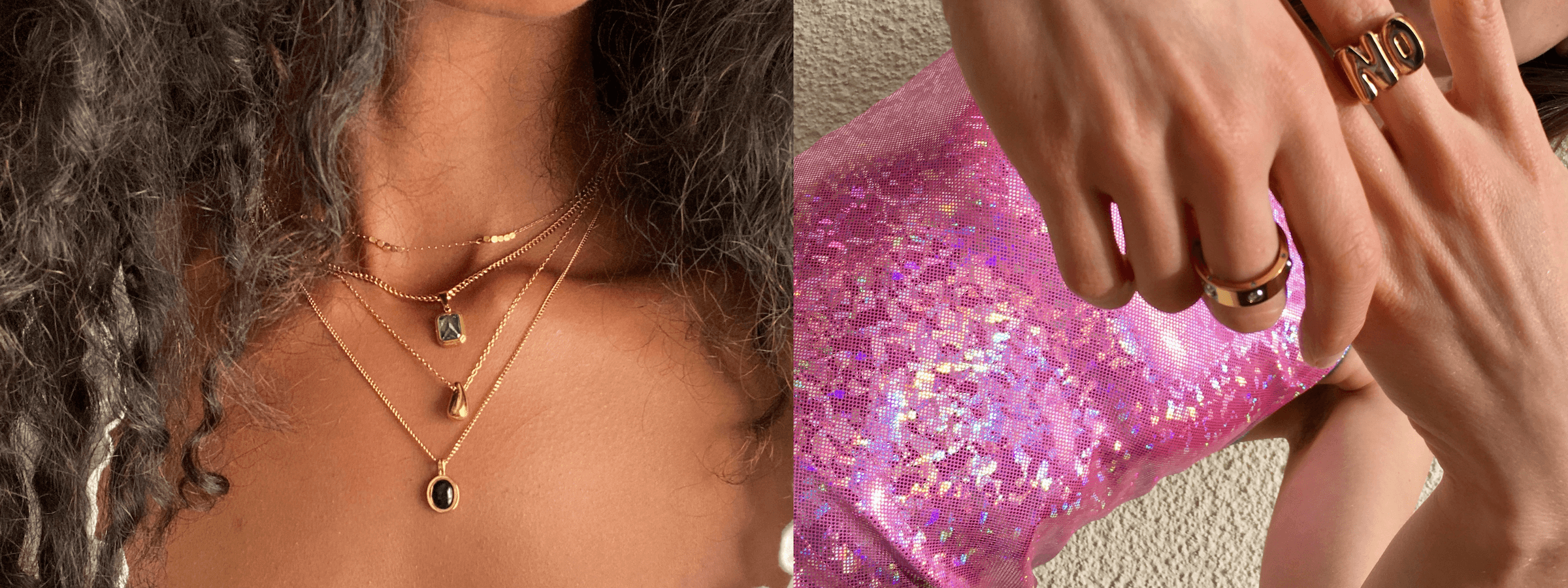
The very same reasons that make surgical steel a trusted choice for a sensitive new piercing are what make it the perfect material for your entire stainless steel jewelry collection.
-
Biocompatibility means it's safe for your sensitive skin, day in and day out.
-
Corrosion resistance means it can handle your sweat, showers, and daily life.
-
A durable, polished finish means it will resist scratches and keep its shine for years.
The piercer's seal of approval is the ultimate testament to the material's quality. When you choose a piece from a high-quality stainless steel jewelry collection, you are choosing a material that is not just fashionable, but professional-grade.
Frequently asked questions
What grade of steel do piercers mean when they say "surgical steel"?
Professional piercers use a specific implant-grade alloy, not random stainless steel. The most common and trusted grade is 316L stainless steel that complies with the ASTM F138 standard, which ensures the metal's composition is pure and consistent enough for surgical use.
Why is 316L surgical steel considered safe for piercings?
316L surgical steel is proven to be biocompatible, meaning it can coexist with human tissue without causing a harmful reaction. It is so stable that it is used for bone screws and joint replacements that live inside the body for years, making an allergic reaction highly unlikely for the vast majority of people.
Is surgical steel or titanium better for piercings?
Both are top-tier, piercer-approved materials. Implant-grade titanium is 100% nickel-free and the safest choice for those with known metal sensitivities, while 316L surgical steel is a trusted, durable workhorse that has been an industry standard for decades. Many piercers recommend titanium for highly sensitive clients and surgical steel as a reliable everyday option.
Does surgical steel resist corrosion and tarnishing?
Yes. 316L surgical steel offers exceptional corrosion resistance, which is why piercers value it for body jewelry exposed to moisture and body fluids. This same property makes Meideya's 316L stainless steel jewelry waterproof and tarnish-resistant for everyday wear.
Why does the non-porous surface of surgical steel matter for hygiene?
316L surgical steel has a flawless, non-porous surface that does not trap bacteria or debris, which is critical for a fresh piercing in an open wound. This smooth finish makes the jewelry easier to keep clean and reduces the risk of infection during healing.

Laat een reactie achter
Deze site wordt beschermd door hCaptcha en het privacybeleid en de servicevoorwaarden van hCaptcha zijn van toepassing.