Waterproof Jewelry
Every piece here is made to stay on. Shower with it, swim in it, sweat
through a workout in it — the base metal is stainless steel, which does not rust or corrode
in water, and the 18k gold plating is applied to survive daily contact with it.
What "waterproof" actually means for jewellery
It means the metal will not rust and the finish will not lift the first time it gets wet.
It does not mean the piece is indestructible. Chlorine and salt water are harsher than
tap water, and every plated finish wears eventually — the difference is measured in years
rather than weeks. Rinsing after a pool or ocean swim is the single thing that extends
that timeline the most.
Why the base metal matters more than the plating
A lot of "gold" jewellery is plated over brass or copper. Those bases oxidise when they
meet moisture and skin oils, which is what turns a piece dull and sometimes leaves a green
mark on skin. Stainless steel doesn't do that. When the plating on a stainless-based piece
finally thins, what shows through is a neutral silver-toned metal, not a discoloured one.
What to wear where
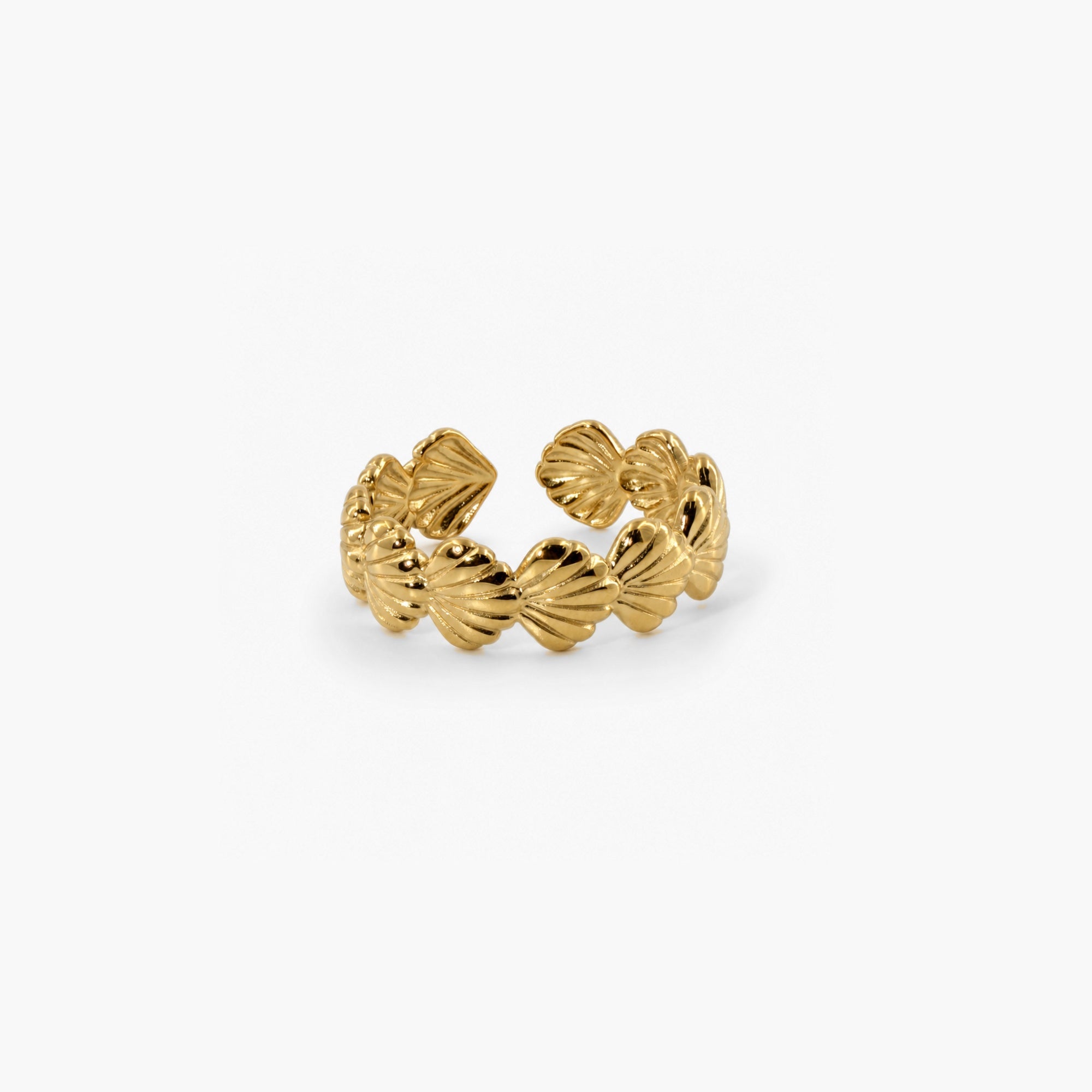
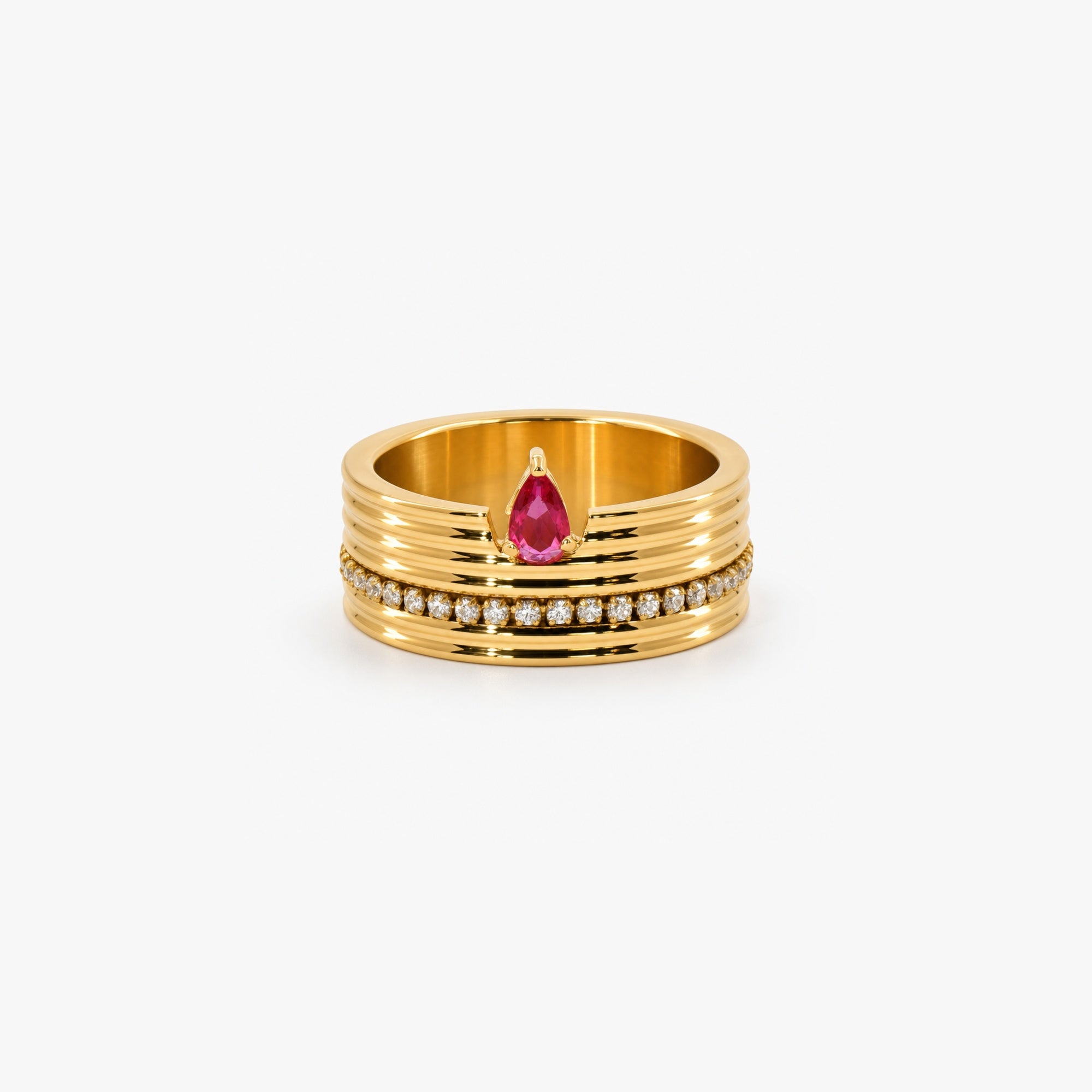
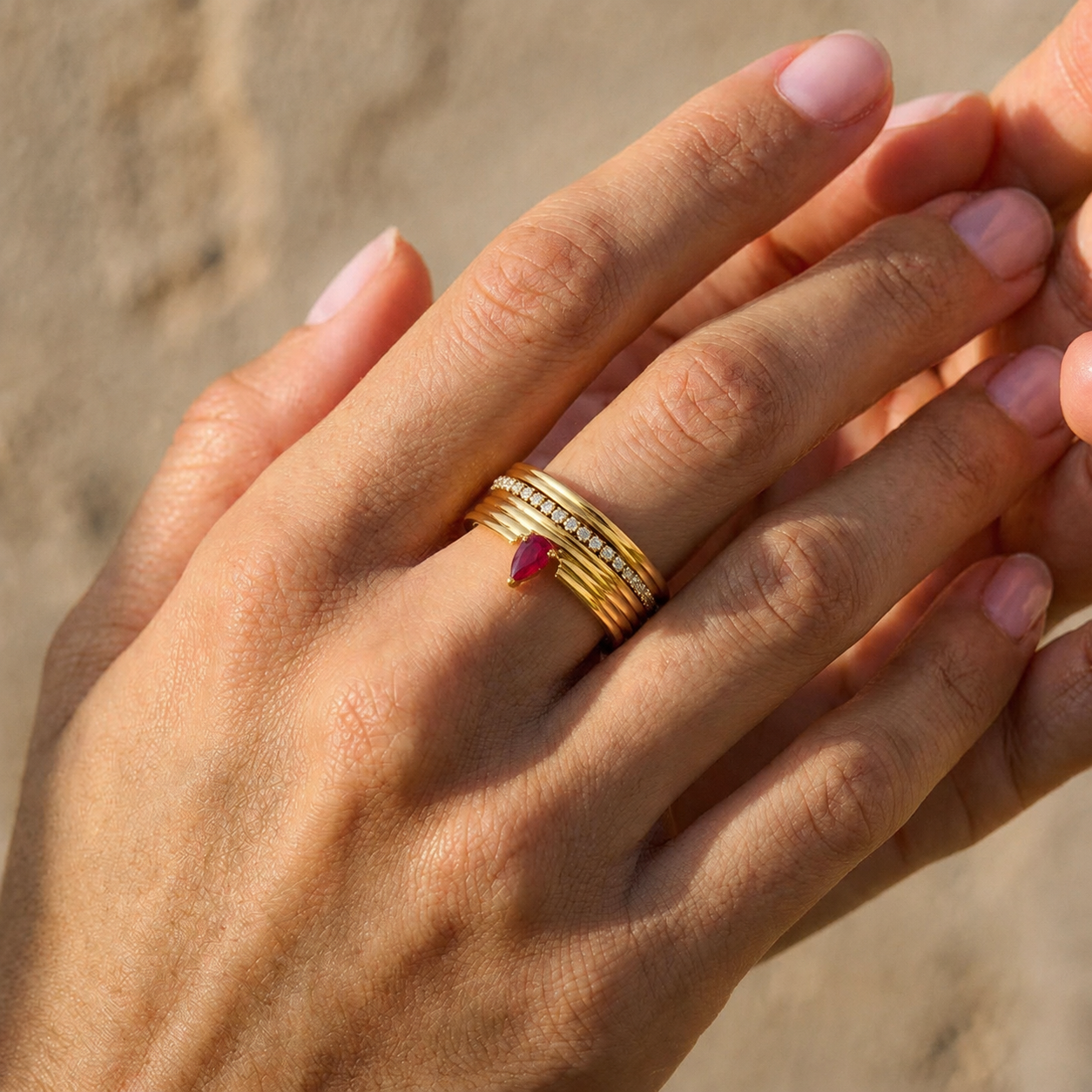
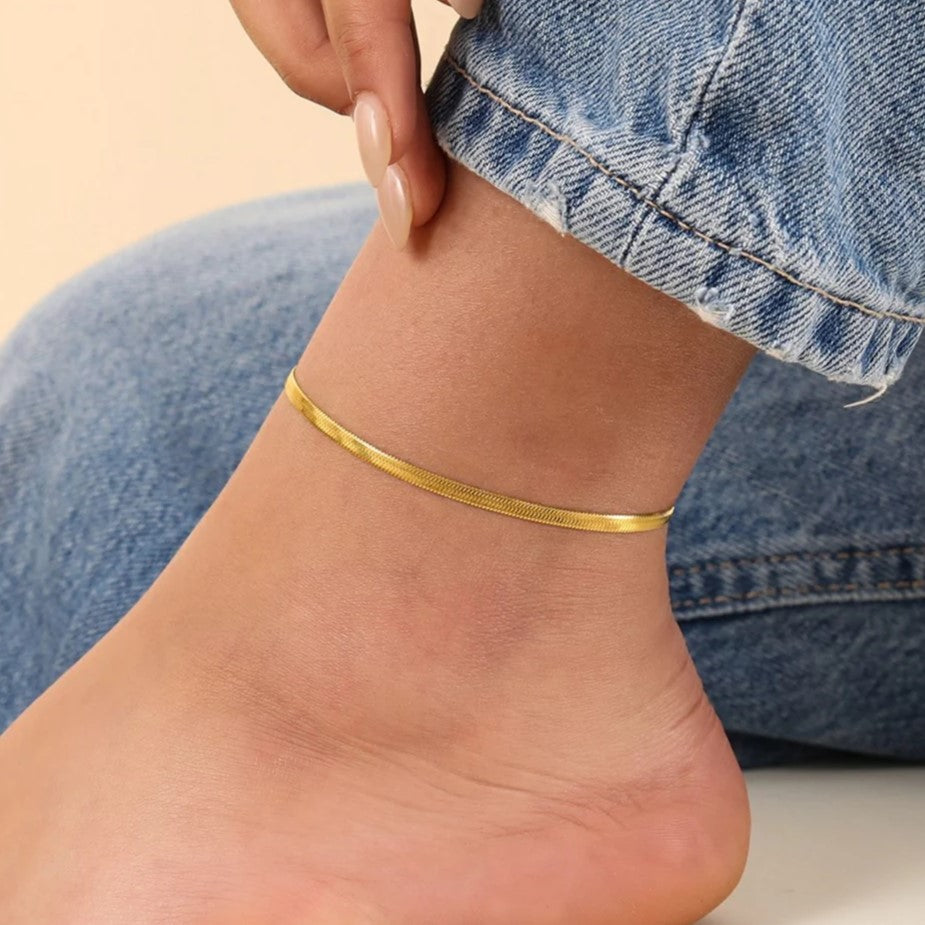
Rings and chains take the most contact and are the easiest to leave on around water.
For anything with a natural stone or pearl, take it off before you swim — the setting is
fine, but porous stones aren't. Earrings are the most forgiving of the lot.
How to keep it looking new
- Rinse with fresh water after swimming in the ocean or a chlorinated pool, then pat dry.
- Put jewellery on last — after perfume, sunscreen and hairspray have dried.
- Store pieces separately so they don't scratch each other.
- Wipe with a soft dry cloth now and then. Skip polishing compounds and ultrasonic cleaners; they are made for solid metal, not plating.