

Is Stainless Steel Jewelry Actually Good? A Designer's Honest Answer
I'm Mia, and I'll be honest—I'm what you might call a "long-termist." I don't believe in disposable anything, especially when it comes to the things I wear every day. My jewelry needs to work as hard as I do, look beautiful for years, and align with my values. That's exactly why I made the switch to 316L stainless steel jewelry, and I haven't looked back since.
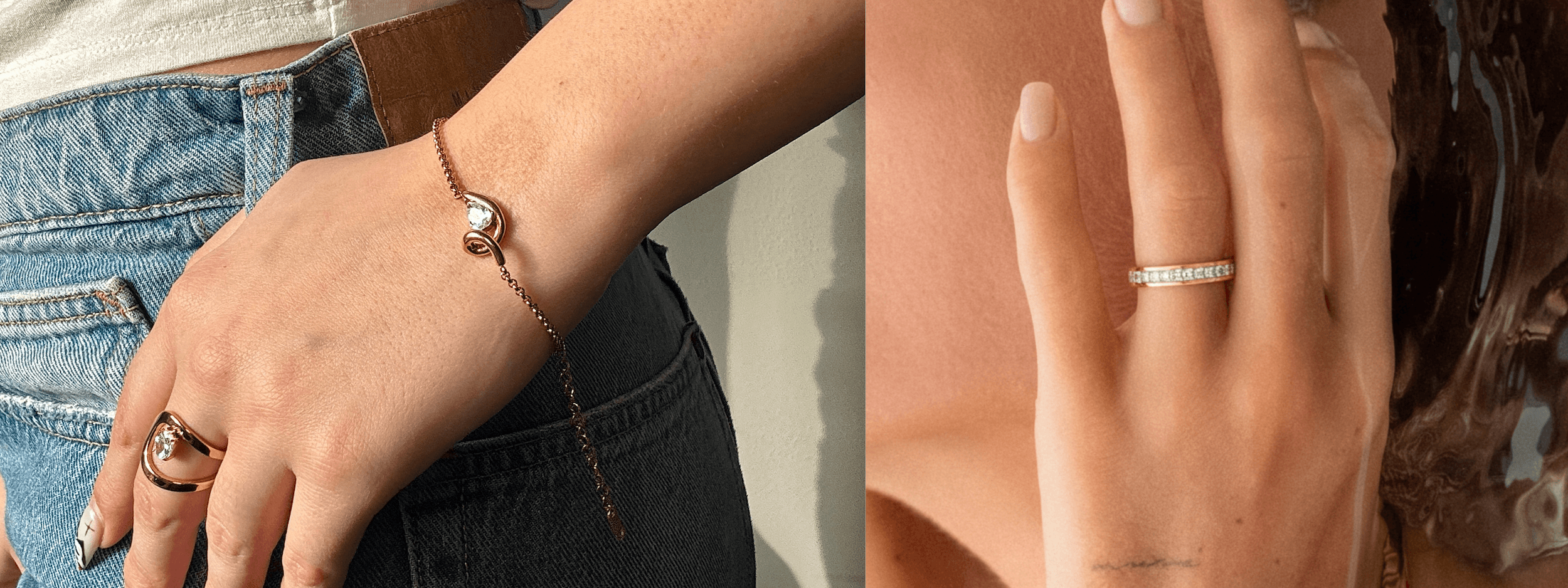
Let me paint you a picture that might sound familiar. Two years ago, I fell in love with a delicate rose gold-plated bracelet at a boutique. It was gorgeous, reasonably priced, and I convinced myself it would be perfect for daily wear. Within three months, the plating had started flaking off, leaving unsightly patches of base metal underneath. By month six, it looked like something I'd found in a garage sale. That disappointment wasn't just about wasted money—it was about the environmental impact of creating jewelry destined for the trash bin.
This experience led me down a rabbit hole of research into jewelry materials, and what I discovered about 316L stainless steel completely changed my perspective on what "good" jewelry should be. This isn't just another metal option—it's a high-performance material that offers incredible value for conscious consumers who refuse to compromise on durability, safety, or sustainability.
Key Takeaways
- Defining "Good" Jewelry: True quality in jewelry for 2025 rests on three pillars: long-term durability, skin safety (hypoallergenic), and environmental sustainability.
- Superior Material: 316L stainless steel is a medical-grade alloy that is inherently waterproof, tarnish-proof, and corrosion-resistant, making it ideal for everyday wear without maintenance.
- The Sustainable Choice: Unlike plated jewelry that ends up in landfills, 316L stainless steel is 100% recyclable, promoting a circular economy and reducing environmental waste.
- Smarter Investment: While traditional metals like sterling silver tarnish and require care, stainless steel jewelry offers better long-term value by eliminating replacement costs and maintenance time.
What Does "Good" Jewelry Really Mean in 2025?
Before diving into why stainless steel jewelry is good, we need to define what makes jewelry truly worthwhile. In my experience, "good" jewelry must meet three non-negotiable criteria: durability, safety, and sustainability.
Durability means your jewelry maintains its appearance and integrity through daily wear, exposure to water, sweat, and the general chaos of modern life. It shouldn't tarnish, fade, or break after a few months of regular use. Durable jewelry is an investment that pays dividends over time, both financially and emotionally.
Safety encompasses hypoallergenic properties—jewelry that won't cause skin irritation, allergic reactions, or long-term health concerns. Your jewelry should make you feel beautiful, not leave you dealing with rashes or discoloration on your skin.
Sustainability considers the environmental impact throughout the jewelry's lifecycle, from production to disposal. Sustainable jewelry minimizes waste, uses recyclable materials, and doesn't contribute to the fast-fashion cycle that's devastating our planet.
These three pillars form the foundation of conscious jewelry consumption. When you understand what to look for, you realize that most conventional jewelry options fall short in at least one of these areas.
The Problem with Traditional Jewelry Materials
Let's examine why traditional jewelry materials often disappoint consumers who care about longevity and environmental impact.
Sterling silver, while beautiful and traditionally considered "fine" jewelry, has significant drawbacks for everyday wear. Silver is inherently soft, making it prone to scratches and dents. More frustrating is its tendency to tarnish when exposed to air, moisture, and skin oils. That black or green discoloration isn't just unsightly—it's a chemical reaction that requires constant maintenance to reverse. I've spent countless hours polishing silver pieces, only to watch them tarnish again within weeks.
Plated jewelry presents even more problems. Whether it's gold-plated, silver-plated, or rhodium-plated, the fundamental issue remains the same: you're dealing with a thin veneer over a base metal. This plating inevitably wears off through friction, exposure to moisture, and contact with lotions or perfumes. The result? Flaking, fading, and that telltale green mark on your skin when the base metal reacts with moisture and acids.
The environmental impact of these materials compounds the frustration. When plated jewelry fails, it typically isn't recyclable due to the mixed materials and thin coatings. This means millions of pieces end up in landfills every year, contributing to waste while consumers repeatedly purchase replacements.
Why 316L Stainless Steel is Different
My background in material science sparked my fascination with 316L stainless steel. This isn't your typical stainless steel—it's a premium grade specifically engineered for superior performance and biocompatibility.
The "316L" designation tells us everything we need to know about this material's exceptional properties. The number 316 indicates the specific alloy composition: approximately 18% chromium, 10% nickel, and 2-3% molybdenum, with the balance being iron. The "L" stands for "low carbon," which enhances corrosion resistance and makes the steel more suitable for applications requiring maximum durability.
How long does stainless steel jewelry last? With proper care, 316L stainless steel jewelry can last for decades. Studies from organizations like the Nickel Institute show that 316L stainless steel has a significantly lower corrosion rate than sterling silver, maintaining its appearance and structural integrity far longer than traditional jewelry materials.
The molybdenum content is particularly important—it creates an invisible protective layer that shields the metal from corrosion, even when exposed to saltwater, chlorine, and acidic substances. This is why 316L stainless steel is trusted in marine environments and medical applications where failure isn't an option.
So, is stainless steel jewelry waterproof? Absolutely. Unlike silver, which can tarnish from moisture, or plated jewelry, which can delaminate when wet, 316L stainless steel is completely resistant to water damage. I learned this firsthand during a beach vacation when I forgot to remove my stainless steel earrings before diving into the ocean. Hours of saltwater exposure left them looking exactly the same as when I put them on.
The biocompatibility of 316L stainless steel cannot be overstated. This material is literally used in medical implants—pacemakers, joint replacements, and surgical instruments—because it's completely non-reactive with human tissue. If it's safe enough to place inside the human body permanently, it's certainly safe for jewelry that touches your skin.
316L Stainless Steel: The Sustainable Choice
Sustainability was a major factor in my a decision to embrace stainless steel jewelry. 316L stainless steel is 100% recyclable, which means that even at the end of its extremely long lifespan, it doesn't contribute to landfill waste.
The recycling process for stainless steel is remarkably efficient. Recycling stainless steel requires only about one-third of the energy needed to produce it from virgin materials, significantly reducing the environmental footprint. When you compare this to plated jewelry (which often can't be recycled due to mixed materials) or even silver mining (which involves environmentally destructive extraction processes), the environmental benefits become clear. For those wanting to dive deeper into this topic, the British Stainless Steel Association provides excellent resources on the metal's lifecycle.
The longevity of 316L stainless steel jewelry also contributes to its sustainability. When a single piece can last decades instead of months, you're reducing demand for new production, minimizing packaging waste, and avoiding the transportation emissions associated with frequent replacement purchases. Exploring Meideya's stainless steel jewelry collection is a great first step towards building a more sustainable accessory wardrobe.
My Journey to Embracing Stainless Steel Jewelry
My relationship with stainless steel jewelry didn't begin with love at first sight. I'll admit I was initially skeptical. Growing up, "stainless steel jewelry" conjured images of chunky, industrial-looking pieces that seemed more appropriate for a hardware store than a jewelry box.
The turning point came when I was researching materials for a custom pendant. I wanted something that could handle daily wear without maintenance, wouldn't cause skin reactions, and aligned with my environmental values. The more I learned about 316L stainless steel's properties, the more impressed I became.
My first stainless steel purchase was a simple chain necklace. I chose it specifically to test the material's durability claims. That was four years ago, and the piece still looks exactly as it did the day I bought it. No tarnishing, no wear marks, no maintenance required beyond occasional cleaning with soap and water.
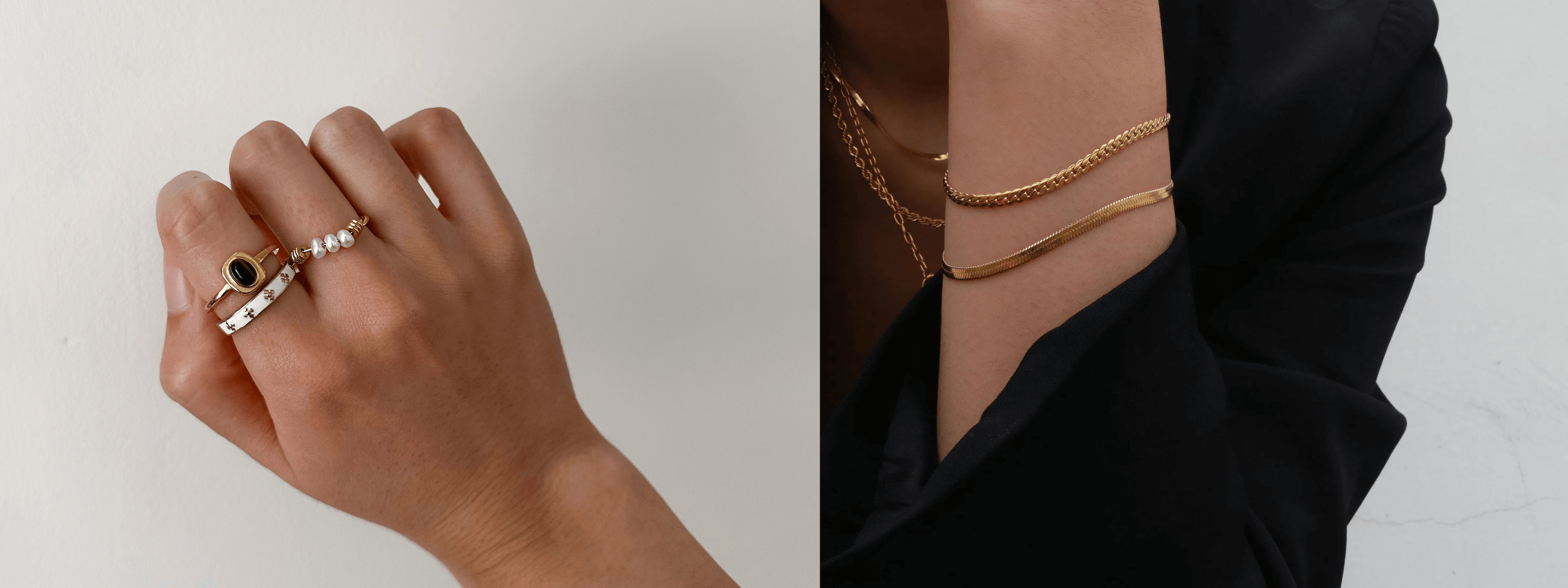
The real revelation came when I started receiving compliments on that simple chain. People assumed it was white gold or platinum, surprised to learn it was stainless steel. This challenged my preconceptions about the material's aesthetic potential and opened my eyes to the sophisticated designs now available in 316L stainless steel.
316L Stainless Steel vs. The Competition: A Detailed Comparison
Let me break down how stainless steel vs sterling silver jewelry and other options compare across key factors that truly matter for everyday wear.
| Feature | 316L Stainless Steel | Sterling Silver | Plated Jewelry |
|---|---|---|---|
| Durability | Excellent. Resists scratches, corrosion, and does not tarnish. | Fair. Soft metal, prone to scratches and dents. Tarnishes easily. | Poor. Thin plating wears off quickly, revealing base metal. |
| Water Resistance | 100% Waterproof. Safe for shower, swimming, and sea. | Poor. Moisture accelerates tarnishing. | Very Poor. Water damages the plating and causes peeling. |
| Hypoallergenic | Excellent. Medical-grade and biocompatible is ideal for sensitive skin. | Good. Generally safe, but some alloys with copper can cause reactions. | Poor. Base metals (like copper or nickel) often cause irritation. |
| Maintenance | Very Low. Simple cleaning with soap and water is sufficient. | High. Requires regular polishing and special storage to prevent tarnish. | Low (but short-lived). Cannot be restored once worn off. |
| Environmental Impact | Best. 100% recyclable with high longevity. | Moderate. Mining has ecological impacts, but metal is recyclable. | Worst. Often non-recyclable, contributing directly to landfill waste. |
Debunking Common Myths About Stainless Steel Jewelry
The biggest misconception about stainless steel jewelry is that it looks cheap or industrial. This outdated perception stems from early stainless steel jewelry that prioritized function over form. Modern 316L stainless steel jewelry showcases sophisticated designs, mirror-like finishes, and elegant details that rival precious metals.
Another myth is that stainless steel jewelry is too casual for formal occasions. On the contrary, high-end designers now create stunning stainless steel pieces with intricate detailing, gemstone settings, and refined aesthetics suitable for any occasion.
Some people still worry, "is 316L stainless steel good for jewelry" in terms of skin sensitivity. I believe the science speaks for itself—316L stainless steel is among the most hypoallergenic materials available, far safer than many traditional jewelry metals that can contain unknown alloys.
How to Care for Your 316L Stainless Steel Jewelry
One of the greatest advantages of stainless steel jewelry is its minimal maintenance requirements. Unlike silver, which needs regular polishing, or plated jewelry, which requires careful handling, stainless steel is remarkably low-maintenance.
For daily cleaning, simply wash your stainless steel jewelry with warm water and mild soap, then dry with a soft cloth. For deeper cleaning, you can use a soft-bristled brush to remove any buildup in textured areas.
Avoid using abrasive cleaners or steel wool, which can scratch the surface. While 316L stainless steel is extremely durable, it's not completely scratch-proof, so store pieces separately to prevent them from scratching each other.
The true beauty of stainless steel jewelry is that you can wear it everywhere—swimming, exercising, showering—without worry. This convenience factor alone makes it superior to materials that require constant vigilance about exposure to water or chemicals.
Frequently Asked Questions
Q1: Is stainless steel jewelry waterproof?
Yes, 316L stainless steel jewelry is completely waterproof. Unlike other metals that can tarnish or corrode when exposed to water, its inherent properties make it resistant to damage from moisture, sweat, and even saltwater.
Q2: How long does stainless steel jewelry last?
With proper care, 316L stainless steel jewelry can last for decades. The material doesn't tarnish, fade, or corrode, making it an excellent long-term investment that retains its original appearance for years.
Q3: Can stainless steel jewelry cause allergic reactions?
316L stainless steel is a top choice for sensitive skin because it is hypoallergenic and biocompatible. It's the same grade used in medical implants like pacemakers, making it extremely safe for people with metal allergies.
Q4: Does stainless steel jewelry look cheap?
Modern 316L stainless steel jewelry features sophisticated designs and high-quality finishes that rival precious metals. The outdated perception of stainless steel as 'cheap' or 'industrial' does not reflect the elegant, high-quality pieces available in 2025.
Q5: Is 316L stainless steel better than 925 sterling silver?
For daily, low-maintenance wear, 316L stainless steel is often a better choice. It is more durable, scratch-resistant, waterproof, and requires no polishing to prevent tarnish, unlike 925 sterling silver which is softer and oxidizes over time.
Q6: What does the 'L' in 316L stainless steel mean?
The 'L' stands for 'low carbon.' This lower carbon content enhances the metal's resistance to corrosion and sensitization, making it even more durable and biocompatible, especially for items in constant contact with the skin.
Making the Smart Choice for Conscious Consumers
After years of experience and research with various jewelry materials, my conclusion is clear: 316L stainless steel represents the future of conscious jewelry consumption. It delivers on every criterion that matters: exceptional durability, complete safety, and genuine sustainability.
So, the question "is stainless steel jewelry good" has a definitive answer: it's not just good—it's superior for consumers who value longevity, performance, and environmental responsibility. When you choose 316L stainless steel, you're making a statement about your values and your commitment to thoughtful consumption.
This isn't about settling for less—it's about demanding more. More durability, more sustainability, more value, and more peace of mind. It's about choosing jewelry that works as hard as you do, looks beautiful for years, and aligns with your principles.
Investment-grade jewelry doesn't have to mean traditional precious metals. Sometimes, the smartest choice is the one that challenges conventional thinking. For me, that choice was 316L stainless steel, and it has been one of the best decisions I've made for my jewelry collection and for the brand I stand behind.
Ready to experience the difference that truly durable jewelry can make? Stop wasting money on disposable accessories that disappoint and contribute to environmental waste. Invest in style that truly lasts, and discover how 316L stainless steel can transform your relationship with jewelry.
Explore the 316L stainless steel difference at Meideya Jewelry—where quality meets consciousness, and where your investment in beautiful jewelry is also an investment in a more sustainable future. This is how you live beautifully and spend wisely.


Laat een reactie achter
Deze site wordt beschermd door hCaptcha en het privacybeleid en de servicevoorwaarden van hCaptcha zijn van toepassing.