

Is Stainless Steel Safe for Nose Rings? A Piercing Pro's Honest Answer
Hi, I'm Mia Wilde, founder of Meideya Jewelry. My journey into material science didn't just start with fashion—it started with frustration. As someone with sensitive skin, I know that a new piercing is an investment in trust. And when it comes to a nose piercing, that trust is everything.
The nostril is a notoriously tricky spot: it’s a high-bacteria area, it moves a lot when you talk or smile, and it can take a long time (4-6 months, or even longer) to heal. Choosing the wrong metal isn't just an inconvenience; it can lead to irritation, bumps, and even infection.
So, what about stainless steel? It’s durable, affordable, and often called "hypoallergenic." But is it truly safe for a brand-new, sensitive nose piercing? As a designer who has built my brand on material safety, here is the definitive, no-nonsense answer.
Key Takeaways
- The Short Answer: Yes, but **only** if it is high-grade **316L Implant-Grade Surgical Steel**. Generic "stainless steel" is not safe for a new piercing.
- For New Piercings (The Healing Phase): The #1 safest choice, recommended by all professional piercers, is **Implant-Grade Titanium** because it is 100% nickel-free. 316L Surgical Steel is the trusted, APP-approved *alternative*.
- For Healed Piercings (The Style Phase):** Once your piercing is fully healed, 316L stainless steel becomes the **ideal choice**. It's safe, durable, non-porous (hygienic), and won't tarnish like silver.
The Critical Difference: A New Wound vs. Healed Skin
The most important thing you need to understand is that a new piercing is an open, healing wound. Its needs are completely different from a healed piercing, which is a mature tunnel of skin (called a fistula).
For a New, Healing Piercing (First 4-6+ Months): During this phase, your body's immune system is on high alert. The material you use must be as non-reactive as humanly possible. This is where professional piercers, including the Association of Professional Piercers (APP), set an "implant-grade" standard.
This is why **Implant-Grade Titanium (ASTM F-136)** is the undisputed gold standard. It is 100% nickel-free and incredibly lightweight, putting zero stress on the healing tissue.
So, Where Does Surgical Steel Fit In?
This is where we need to be precise. **316L Surgical Steel (ASTM F-138)** is *also* an APP-approved implant-grade material. It has been the trusted backbone of the medical and piercing industry for decades.
Its safety comes from its unique chemistry. As I've explained in my deep dive on hypoallergenic steel, the nickel in 316L steel is "locked in" by a stable molecular structure and a protective passivation layer. It has an extremely low ion release rate, making it safe for the vast majority of people.
So why do piercers often prefer titanium to start? Because for a long, sensitive heal like a nostril, they want to eliminate *every* possible variable. For the 99% of people who aren't severely hypersensitive, 316L is perfectly fine. But for that 1%, titanium is the "zero-risk" option.
The Best Choice for a Healed Nose Ring: Why 316L Steel Wins
Once your piercer gives you the green light that your piercing is fully healed (and not a moment sooner!), **316L stainless steel becomes the perfect material.**
Here's why it's my top choice for everyday nose rings:
- It's Hygienic: The nose is a high-bacteria area. Unlike porous materials (like acrylic or wood) or soft metals that can get tiny scratches (like silver), 316L steel is non-porous and incredibly smooth. Bacteria have nowhere to hide, making it easy to clean and keep healthy.
- It Won't Tarnish or Stain: This is critical. Sterling silver can oxidize (tarnish) from contact with your skin's oils and the air. In a nose piercing, this tarnish can permanently stain your skin gray or black (a condition called argyria). 316L steel will **never** do this.
- It's Durable & Worry-Free: You can wash your face, go to the gym, and live your life without worrying about your nose ring corroding, fading, or reacting to your sweat.
What to Look for When Buying a Nose Ring
- For Healing:** Look for studs (not hoops, which move too much) made from "Implant-Grade Titanium (ASTM F-136)" or "Implant-Grade Surgical Steel (ASTM F-138)."
For Healed:** Look for **"316L Stainless Steel"** to ensure you're getting the safe, stable grade. Be wary of generic "stainless steel" or "fashion jewelry," as these are not the same.
Choosing the right material is the most important step you can take. Start with the safest option to ensure a good heal, and then graduate to a durable, safe, and beautiful material like 316L steel for a lifetime of style.
Frequently Asked Questions
Q1: Is 316L surgical steel safe for a new nose piercing?
Yes, 316L surgical steel (specifically ASTM F-138 implant grade) is approved by the Association of Professional Piercers (APP) as a safe material for new piercings. However, many piercers prefer implant-grade titanium as the first choice because it is 100% nickel-free, eliminating all allergy risks during the sensitive healing phase.
Q2: Why did my nose ring turn my skin black or green?
Your skin turned green because your jewelry was made of copper or brass, which oxidizes. Your skin turned black or gray because your jewelry was made of sterling silver, which tarnishes. High-quality 316L stainless steel will never tarnish or oxidize, and will not turn your skin any color.
Q3: Can I wear a stainless steel hoop in my new nose piercing?
You should not wear a hoop (of any material) in a new, healing nose piercing. Hoops move and rotate too much, which irritates the piercing, drags in bacteria, and can cause delays in healing or the formation of irritation bumps. Always heal with a stud (labret or nostril screw) first.
Q4: Is surgical steel the same as stainless steel?
Not always. "Surgical Steel" specifically refers to high-quality, corrosion-resistant grades used in medical applications, like 316L. "Stainless steel" is a broad family of over 150 different alloys, many of which (like 304 or 201) are not suitable for body jewelry. Always look for the **316L** grade.
Q5: Where can I buy high-quality 316L stainless steel nose rings?
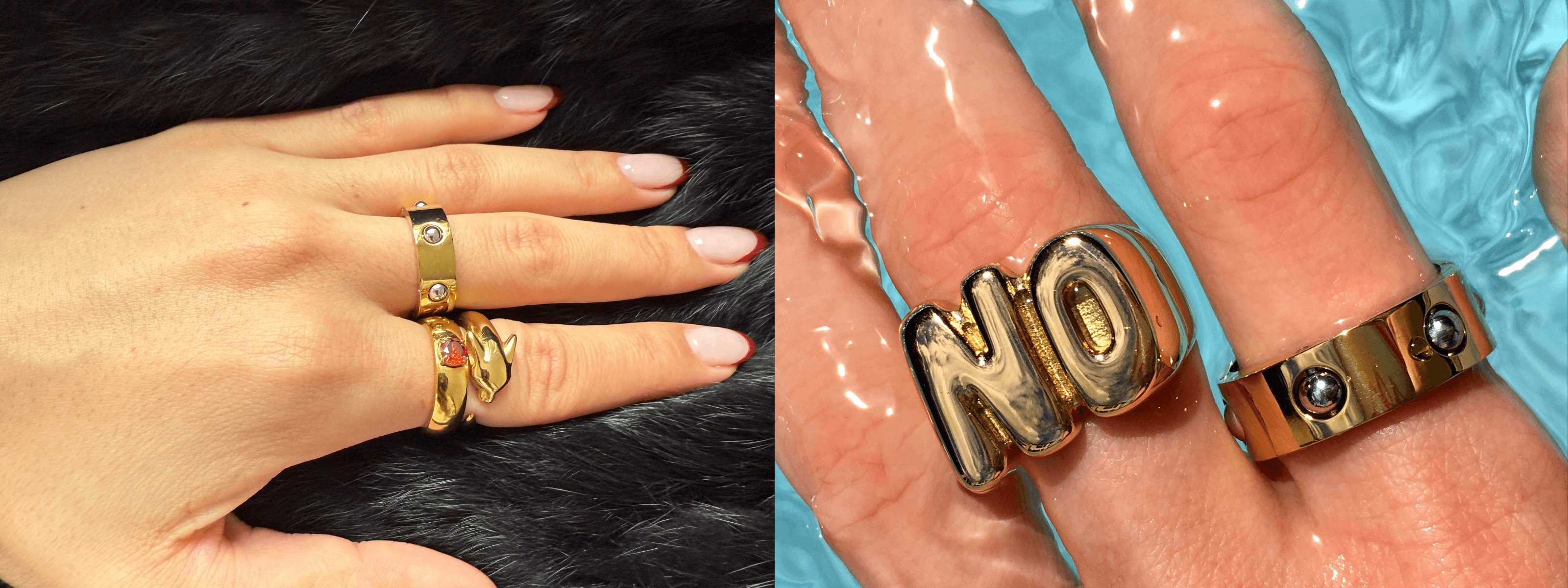
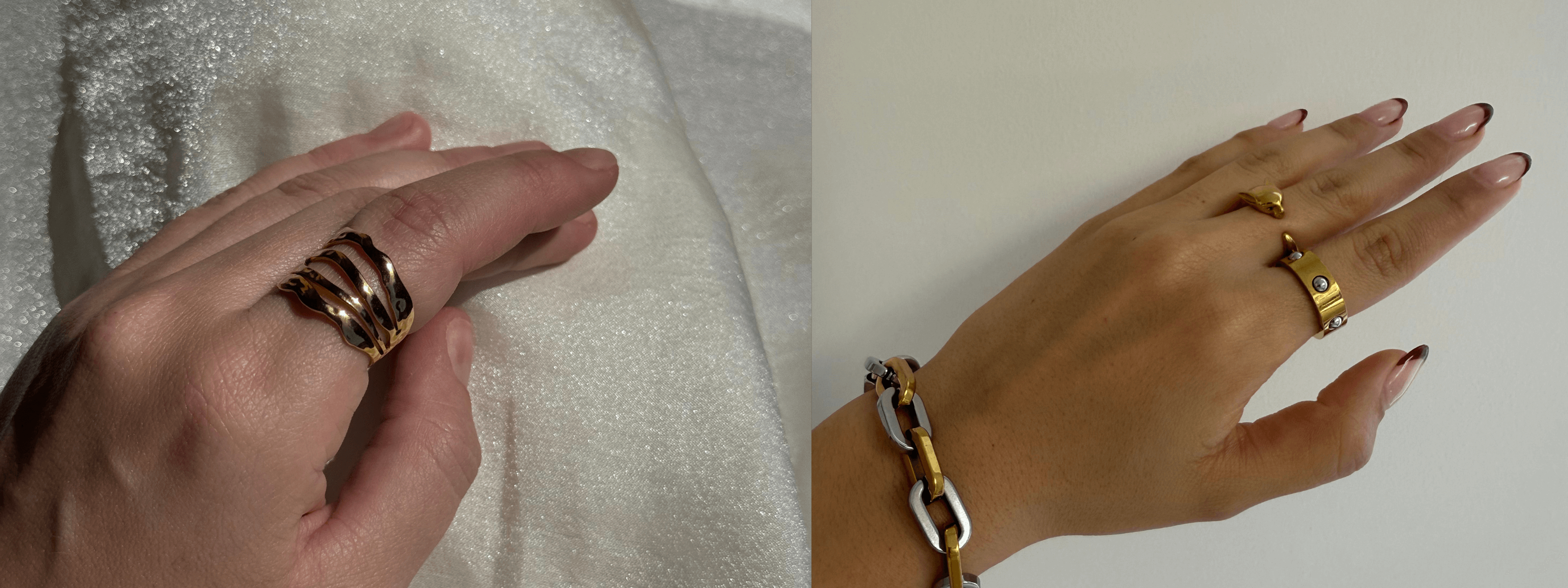
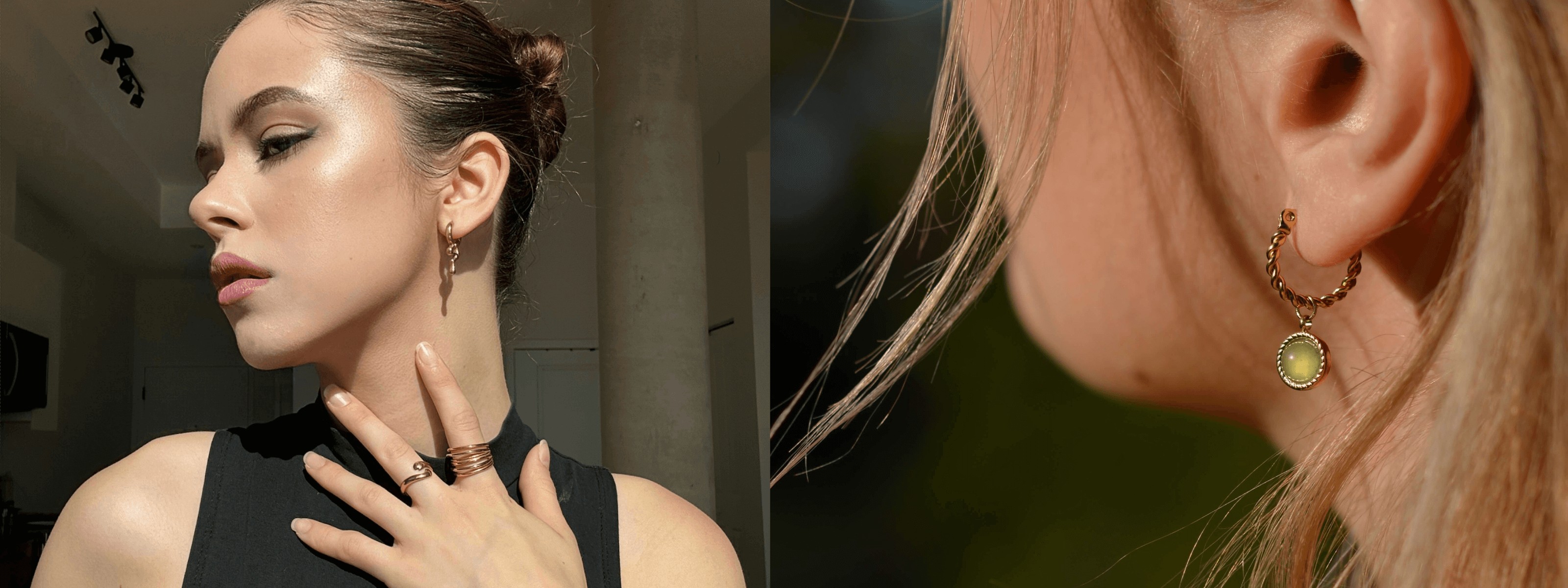
Once your piercing is fully healed, you can find a wide variety of stylish and safe 316L stainless steel jewelry from transparent, reputable brands. Our stainless steel jewelry collection is crafted exclusively from this body-safe, durable material.

Laat een reactie achter
Deze site wordt beschermd door hCaptcha en het privacybeleid en de servicevoorwaarden van hCaptcha zijn van toepassing.