

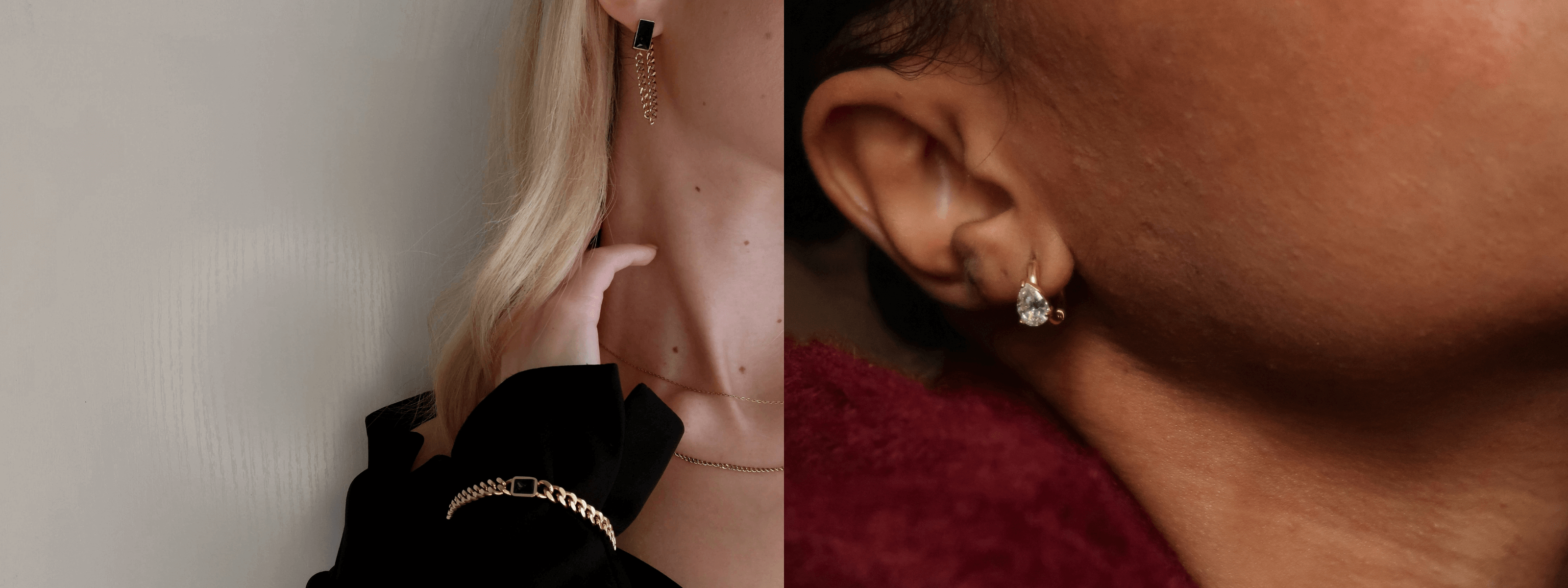
How to Get Scratches Out of Stainless Steel Jewelry: A Realistic Guide
Stainless steel is celebrated for its incredible strength and scratch-resistant properties, making it the perfect material for everyday wear. However, it's not completely scratch-proof. With enough force or contact with a harder material, even the most durable stainless steel jewelry can get a scuff or a fine scratch. While deep gouges should always be handled by a professional jeweler, there are a few methods you can try at home to diminish the appearance of very minor surface scratches and restore some of the original luster to your pieces.

First, A Critical Word of Caution: Know Your Finish
Before you attempt any scratch removal, it is essential to identify the finish of your jewelry. Applying a polishing method to the wrong finish can cause irreversible damage.
-
Polished/Mirror Finish: These pieces are shiny and reflective. The methods below are generally intended for this type of finish.
-
Brushed/Satin Finish: This finish has a non-reflective, textured look with fine parallel lines. Do not use polishing pastes on a brushed finish, as you will smooth out the texture and create an unsightly shiny spot.
-
Matte/Sandblasted Finish: This is a non-reflective, grainy finish. Polishing this will also ruin the texture.
Recommendation: Always test any cleaning or polishing method on a small, inconspicuous area first, like the inside of a ring band or near the clasp of a bracelet.
Method 1: Using a Jewelry Polishing Cloth (For Very Fine Scuffs)
For the faintest of surface scuffs—the kind you can only see in certain light—the least aggressive approach is the best place to start.
-
Obtain a Polishing Cloth: Use a high-quality, soft jewelry polishing cloth specifically designed for metals like stainless steel.
-
Buff Gently: Rub the scratched area with the cloth, applying gentle, consistent pressure.
-
Follow the Grain: If your piece has a very subtle brushed pattern, always rub in the direction of the grain, not against it or in circles.
-
Check Your Progress: Wipe away any residue and check the scratch. This method will only work on the most superficial marks.
Method 2: The Toothpaste Trick (Use With Extreme Caution)
This is a popular DIY method, but it comes with significant risk if done incorrectly. It should only be attempted on polished finishes for minor scratches.
-
Choose the Right Toothpaste: You must use a plain, white, non-gel toothpaste that does not contain whitening agents, tartar control, or abrasive silica particles. Abrasive additives will create more tiny scratches.
-
Apply a Tiny Amount: Squeeze a very small dot of toothpaste onto a soft, clean microfiber cloth.
-
Rub Gently: Dab the toothpaste onto the scratch and rub very gently in the direction of the metal's grain for a few seconds. Do not scrub aggressively.
-
Rinse and Dry: Rinse the piece thoroughly under warm water to remove all toothpaste residue, then dry and buff it completely with a clean, soft cloth.
When to Seek Professional Help
For any scratch that you can feel with your fingernail, or for any piece that is valuable or has sentimental importance, it is always best to consult a professional jeweler.
Jewelers have specialized polishing wheels and compounds that can safely and effectively buff out scratches without damaging the overall finish of your beautiful stainless steel rings and bracelets. Attempting to remove deep scratches at home often results in a distorted or uneven surface, which is much harder for a professional to fix later.
A Note on Prevention
The easiest way to deal with scratches is to prevent them from happening in the first place.
-
Store Separately: Keep your jewelry in individual soft pouches or a lined jewelry box to prevent pieces from rubbing against each other.
-
Remove During Manual Labor: Take off your rings and bracelets before working out, gardening, or doing any heavy lifting.
-
Put On Last: Apply lotions, perfumes, and hairsprays before putting on your jewelry to avoid chemical buildup.
Conclusion
While the robust nature of stainless steel makes it a durable choice, life happens. Minor scuffs can sometimes be carefully managed at home, but the best strategies are always prevention and knowing when to trust a professional. By caring for your pieces properly, you can enjoy their beauty for years to come.
Looking for jewelry that stands up to everyday life? Explore our collection of durable and scratch-resistant stainless steel jewelry today.
Frequently asked questions
Is stainless steel jewelry scratch-proof?
No. Stainless steel is highly scratch-resistant and very durable, which makes it great for everyday wear, but it is not completely scratch-proof. With enough force or contact with a harder material, even durable stainless steel can pick up a scuff or fine scratch.
Can I remove scratches from brushed or matte stainless steel?
No. Polishing methods are intended only for shiny, mirror finishes. Using a polishing paste on a brushed, satin, or matte finish will smooth out its texture and create an unsightly shiny spot, causing irreversible damage. Always identify your finish first.
What is the safest way to remove a very fine scratch at home?
Start with the least aggressive method: a high-quality, soft jewelry polishing cloth made for metals like stainless steel. Buff the area with gentle, consistent pressure, and if the piece has a brushed pattern, always rub in the direction of the grain. This works best on faint scuffs you can only see in certain light.
Why should I test a polishing method on a hidden spot first?
Testing on a small, inconspicuous area, like the inside of a ring band or near a bracelet clasp, lets you confirm the method will not harm the finish before working on a visible surface. This is especially important because some methods, like the toothpaste trick, must be used with extreme caution.
When should I see a professional jeweler for scratches?
Deep gouges and scratches you cannot diminish with gentle home methods should always be handled by a professional jeweler. They have the proper tools to restore the surface without ruining the finish. Home methods are only meant for very minor surface scratches.


Laat een reactie achter
Deze site wordt beschermd door hCaptcha en het privacybeleid en de servicevoorwaarden van hCaptcha zijn van toepassing.