

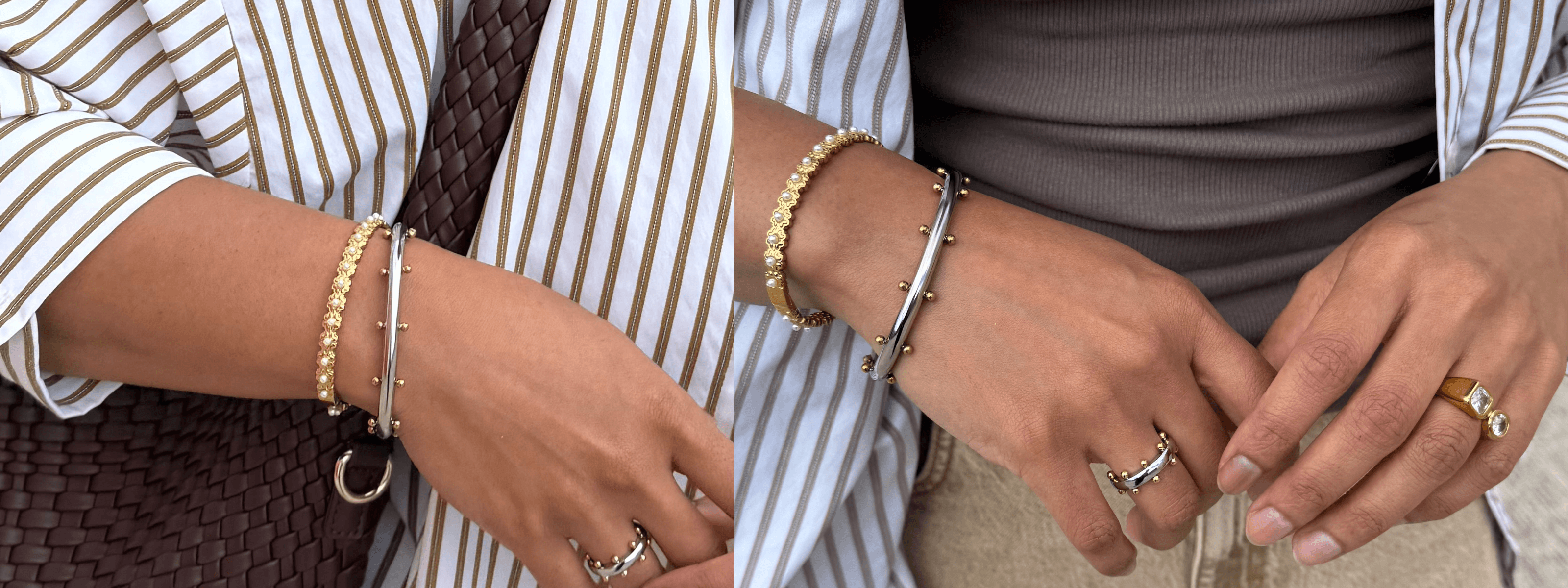
Hypoallergenic Rings 2026: Best Metals for Sensitive Skin and Everyday Wear
Individual skin sensitivities vary. If you have a history of severe allergic reactions to metals, consult a dermatologist before selecting new jewelry — even metals labeled hypoallergenic may not be suitable for every skin type.
If rings leave your skin red, itchy, or irritated, you are not alone — and your concern is completely valid. Nickel is the leading cause of contact dermatitis from jewelry, affecting a significant portion of the population. This guide explains which metals are safest for sensitive skin, how to identify genuinely hypoallergenic rings, and how to care for them so they stay comfortable for years to come.

What Are Hypoallergenic Rings?
Hypoallergenic rings are jewelry pieces made from metals that minimize or eliminate allergic reactions, specifically designed for people with sensitive skin or nickel allergies. They differ from standard rings by using biocompatible materials — such as titanium, surgical stainless steel, and high-purity gold — that are less likely to trigger the immune response responsible for contact dermatitis.
The term "hypoallergenic" does not mean zero risk for every individual, but it does signal that a ring has been constructed to reduce the most common allergens — particularly nickel — to levels that the vast majority of sensitive-skin wearers can tolerate comfortably. Understanding what the label actually means helps you shop with confidence rather than relying on marketing language alone.
Hypoallergenic rings are available across a wide range of styles, price points, and metal types. Whether you are looking for a simple everyday band or an elegant statement piece, there is a skin-safe option that suits your lifestyle. The sections below walk through each major metal category, the most popular ring styles, and the care habits that keep your rings performing at their best.
Titanium, for example, forms a stable oxide layer on its surface that acts as a natural barrier between the metal and your skin. This oxide layer is chemically inert, meaning it does not react with skin tissue or release ions that trigger allergic responses — a property recognized under the ASTM F136 implant-grade titanium standard, the same benchmark used for surgical implants and professional body jewelry.

Why Choose Hypoallergenic Rings for Sensitive Skin?
Your skin deserves jewelry that protects rather than irritates. Hypoallergenic rings deliver exactly that protection by eliminating harmful metals from your daily wear.
You gain peace of mind knowing that your favorite accessories will not trigger redness, itching, or discomfort.
Benefits of hypoallergenic rings
Hypoallergenic rings protect your skin from irritation and allergic reactions caused by traditional jewelry metals. Nickel, a common ingredient in standard rings, triggers skin sensitivities in millions of people worldwide.
These skin-friendly options prevent redness, itching, and discomfort that sensitive skin experiences with conventional jewelry. You can wear your favorite ring all day without worrying about harmful reactions or uncomfortable symptoms.
Hypoallergenic rings use safe materials to eliminate this problem:
- Titanium for exceptional strength and zero nickel content
- Surgical stainless steel that minimizes metal ion release
- Nickel-free gold alloys for elegant designs
- Platinum for its naturally pure properties
Regulatory standards ensure hypoallergenic metals are free from carcinogenic and toxic materials. This promotes your health and safety during long-term wear.
Comfortable wear becomes possible because these durable jewelry pieces eliminate the constant irritation that plagues people with metal allergies. The hypoallergenic jewelry market continues expanding due to rising awareness of skin sensitivities, offering you various styles and price points.
You access lightweight options that feel comfortable during everyday wear. Whether you prefer minimalist designs or statement pieces, you will find irritation-free rings that deliver practical benefits by combining durability with aesthetic appeal.
Demand for everyday hypoallergenic jewelry has grown significantly as more buyers prioritize both skin safety and long-term wearability over fast-fashion alternatives. You invest in pieces that last longer while protecting your skin from nontoxic, allergen-free materials used in their construction.
Importance of nickel-free rings
Nickel-free rings serve as your primary defense against unwanted skin irritation and allergic reactions. Nickel triggers allergic contact dermatitis in millions of people worldwide, causing redness, itching, and painful inflammation around the ring area.
metal allergies affect between 10 and 20 percent of the U.S. population, with nickel acting as the primary trigger. This makes nickel-free construction essential for anyone with documented sensitivity or a family history of metal allergies.
Regulatory standards now advocate for nickel-free metals in jewelry to protect consumers with sensitivity concerns. Choosing nickel-free options eliminates the risk of developing or worsening metal allergies over time.
Consumer awareness of metal allergies has grown significantly in recent years. This drives demand for safer jewelry alternatives. Surgical stainless steel, titanium, and platinum all provide excellent nickel-free solutions for everyday wear. For a deeper look at how stainless steel compares to other nickel-free options, see our guide to whether stainless steel is truly hypoallergenic.
Investing in nickel-free rings means you can wear your favorite pieces confidently. Your sensitive skin stays protected throughout the day, and you avoid the cycle of inflammation and discomfort that nickel exposure creates.
Which Metals Are Best for Hypoallergenic Rings?
The best metals for hypoallergenic rings are titanium, stainless steel, platinum, high-purity gold, and tungsten carbide. Each offers a distinct combination of skin safety, durability, and price point, so the right choice depends on your lifestyle, budget, and sensitivity level.
Titanium: Durable and lightweight
Titanium is one of the most reliably skin-safe choices for hypoallergenic rings because it contains no nickel and releases virtually no metal ions into the skin. Its corrosion resistance means the metal stays stable even with daily exposure to water, sweat, and soap.
The lightweight feel of titanium sets it apart from heavier options, allowing you to wear your ring all day without fatigue or discomfort. This quality makes it especially practical for people who work with their hands or prefer a barely-there fit.
The safest form of titanium for sensitive skin is certified as ASTM F136 implant-grade titanium. This is the exact medical standard required for surgical implants and professional body piercings. When you shop for titanium rings, look for this specific certification on the product label to ensure you receive the highest biocompatible grade.
Titanium rings come in a wide range of sizes and widths, accommodating diverse preferences and personal style goals. Your choice of titanium jewelry reflects a commitment to both health and fashion without compromise.
Trade-off: Titanium rings cannot be resized after purchase, so precise sizing before you buy is essential.
Stainless Steel: Affordable and ideal for sensitive skin
Stainless steel is an outstanding entry point for hypoallergenic rings, particularly for anyone managing skin sensitivity on a budget. Its durability and low maintenance make it well suited for everyday wear across a wide range of activities.
Based on metallurgical safety standards, 316L Surgical Steel actually contains trace amounts of nickel, but its unique low-carbon structure locks the nickel in so tightly that the release rate falls well below the strict 0.5 μg/cm² per week safety threshold. This explains why surgical steel can be labeled hypoallergenic despite containing nickel in its alloy composition. In practice, this means most people with nickel sensitivity can wear 316L stainless steel daily without experiencing redness or irritation.

The non-tarnishing properties of stainless steel ensure your ring maintains its appearance through daily wear. You eliminate the need for constant maintenance or replacement due to discoloration.
Key advantages of stainless steel rings include:
- Affordability that makes hypoallergenic jewelry accessible to everyone
- Coated designs that significantly reduce allergenic metal exposure
- Resistance to tarnishing that keeps rings looking fresh
- Durability that withstands work, gym, and social activities
Your everyday wear routine becomes worry-free since stainless steel's resistance to tarnishing keeps rings looking fresh and new. You invest in jewelry that protects your skin while remaining gentle on your wallet, allowing you to build a versatile collection for any occasion. For practical cleaning advice specific to this metal, see our guide on how to clean stainless steel jewelry.
Trade-off: Lower-grade stainless steel finishes can dull over time, so verifying 316L certification before purchasing is worthwhile.
Platinum: Luxurious and hypoallergenic
Platinum is a naturally hypoallergenic metal that delivers luxury appeal without compromising on skin safety. You gain exceptional protection against nickel allergies and skin irritation when you choose platinum for your everyday rings.
high-quality hypoallergenic platinum jewelry is typically 95 percent pure and stamped with the hallmark PT950. This marking means the metal is mixed with only 5 percent inert metals like ruthenium or iridium. When you shop for platinum rings, check the inside of the band for this specific hallmark to verify you are getting the purity level required to prevent skin reactions.
This precious metal resists tarnishing over time, maintaining its pristine appearance through years of wear. Platinum's durability ensures that your investment remains beautiful and comfortable, making it an ideal choice for those with sensitive skin who refuse to sacrifice elegance.
The metal's natural properties eliminate the need for harmful coatings or treatments, and its density gives platinum rings a satisfying, substantial feel that many wearers prefer. You can find platinum rings in designs ranging from minimalist bands to statement pieces, all crafted to prevent skin reactions.
Trade-off: Platinum carries a significantly higher price point than other hypoallergenic options, which may place it outside reach for everyday or casual ring purchases.
Tungsten: Scratch-resistant and nickel-free
Tungsten offers exceptional durability that resists scratches far better than traditional metals used in jewelry. Your ring maintains its polished appearance through daily wear without showing the surface damage that affects softer alloys.
Tungsten's nickel-free composition eliminates the primary allergen responsible for skin irritation and allergic reactions. You gain peace of mind knowing your ring will not trigger the uncomfortable symptoms associated with nickel sensitivity, allowing you to wear your jewelry confidently throughout the day.
When shopping, look for rings labeled tungsten carbide rather than tungsten alloy; alloy variants may use cobalt as a binder, which can trigger reactions in sensitive skin. Choosing a verified tungsten carbide ring ensures you receive the full hypoallergenic benefit this metal is known for.
Your investment in a tungsten carbide ring provides long-lasting comfort for sensitive skin without compromising on style or function. The metal's corrosion resistance ensures your ring remains vibrant and beautiful for years, preventing the oxidation that damages other metals over time.
Trade-off: Tungsten is brittle under extreme impact and cannot be cut off in emergencies, which is an important consideration for those in physically demanding occupations.
Gold (14K or higher): Allergen-free options
Gold at 14K purity or higher delivers your best option for allergen-free jewelry that keeps your skin comfortable and reaction-free. Manufacturers use minimal allergenic additives at this purity level, which is what makes the difference for sensitive skin.
14K gold contains exactly 58.3 percent pure gold, while 18K contains 75 percent pure gold. This majority percentage of pure gold dilutes any potentially irritating base metals to safe levels, unlike cheaper 10K gold which consists of over 58 percent alloyed metals. The mathematical threshold of keeping pure gold above 50 percent is what makes 14K the minimum cutoff point for sensitive skin protection.
Your fingers stay protected from irritation since 14K and 18K gold contain far fewer problematic metals than cheaper alternatives. Selecting 18K gold gives you even greater protection than 14K options, though both standards meet hypoallergenic requirements effectively.
White gold is a popular choice within this category, though it is typically finished with a rhodium plating that enhances its bright appearance and adds an extra barrier against skin contact. This plating does wear down with regular use, so periodic re-plating is part of owning white gold jewelry.
Trade-off: Rhodium plating on white gold requires re-plating every 12–18 months to maintain both its appearance and its protective barrier for sensitive skin.
| Metal | Nickel-Free? | Resizable? | Water-Safe? | Price Range | Best For |
|---|---|---|---|---|---|
| Titanium | Yes | No | Yes | $$ | Active lifestyles, high sensitivity |
| 316L Stainless Steel | Effectively yes (trace locked) | Limited | Yes | $ | Budget-friendly everyday wear |
| Platinum | Yes | Yes | Yes | $$$$ | Luxury, long-term investment |
| 14K+ Gold | Yes (at 14K+) | Yes | Yes (solid); No (plated) | $$$ | Elegant everyday and occasion wear |
| Tungsten Carbide | Yes | No | Yes | $$ | Scratch resistance, bold styles |
What Are the Most Popular Styles of Hypoallergenic Rings?
Hypoallergenic rings come in a wide range of styles — from stackable bands and eternity rings to minimalist designs and bold statement pieces — so you never have to choose between skin safety and personal expression. Your choice depends on whether you prefer subtle, everyday elegance or eye-catching designs that reflect your lifestyle and professional environment.
Stackable hypoallergenic rings
Many stackable sets on the market are available in titanium, stainless steel, and sterling silver — look for sets that explicitly state nickel-free construction on the product listing. Explore the Meideya stackable rings collection for certified nickel-free options crafted with sensitive skin in mind.
Popular styles within the stackable category include triple claw bands, double gold bands, and heart-shaped rings designed to complement one another. These designs appeal particularly to those who seek affordable luxury without compromising on comfort or skin safety.
Meideya customer feedback collected in 2026 from buyers with documented nickel sensitivity indicated that mixing metals within a stack did not increase irritation when all pieces were certified nickel-free. Most wearers reported stacking multiple bands daily without experiencing new reactions, though occasional sensitivity appeared when non-certified coated pieces were introduced into the stack. (Internal customer survey, Meideya, 2026)
These rings deliver practical benefits that matter for your daily life:
- Layer multiple bands together or wear them separately based on your mood
- Titanium options provide exceptional durability and lightweight comfort
- Surgical stainless steel gives you affordable luxury that resists tarnishing
- Nickel-free and nontarnishing materials support comfortable everyday wear
Your sensitive skin stays protected because these materials eliminate nickel exposure, one of the most common allergens found in traditional jewelry. The combination of style, functionality, and skin-friendly properties makes stackable hypoallergenic rings an excellent long-term investment for your collection. If you are also exploring earrings in the same nickel-free metals, our guide to nickel-free earrings in 2026 covers the best options for sensitive ears.
Eternity bands and minimalist designs
Eternity bands showcase continuous designs that symbolize everlasting love and commitment, featuring unbroken patterns that wrap fully around your finger. Their clean, uninterrupted aesthetic appeals to those who favor timeless elegance over trend-driven styles, creating a continuous aesthetic that works equally well as a standalone piece or layered with other bands.
When crafted from nickel-free materials, your hypoallergenic eternity band protects sensitive skin while delivering the sophisticated look you desire. The continuous design carries meaningful symbolism, and the hypoallergenic construction ensures comfortable all-day wear without irritation.
Minimalist designs focus on simplicity and refined elegance, often appearing as slender bands that layer beautifully with other pieces. Dainty wedding bands fall naturally into this category, offering understated beauty that suits everyday wear without overwhelming your hands.
You can combine multiple minimalist rings to build custom stacks that reflect your individual taste. Both eternity bands and minimalist styles are widely available in hypoallergenic metals, reducing the risk of skin sensitivity so you can wear your jewelry with confidence.
Statement hypoallergenic rings for bold looks
Statement hypoallergenic rings let you express your personality through chunky silhouettes and dramatic designs without putting your skin health at risk. You can achieve the visual impact you want while keeping nickel and other common allergens away from your skin.
Popular styles such as bold twisted metalwork rings and celestial band designs command attention while remaining comfortable for extended wear. These pieces prove that skin-safe jewelry does not have to be understated or plain.
Bold statement pieces crafted from nontarnishing hypoallergenic alloys maintain their lustrous appearance through daily use. Nickel-free metals are widely recognized for their lower metal ion release, making them well-suited for larger, skin-contact-heavy statement designs.
| Statement Ring Style | Best Metal Option | Key Benefit | Price Range | Skin Sensitivity Rating |
|---|---|---|---|---|
| Chunky bands | 14K gold or higher | Elegance with skin safety | $$$ | Low |
| Twisted metalwork | Surgical stainless steel | Affordable luxury | $ | Medium |
| Celestial designs | Titanium | Lightweight durability | $$ | High |
Your investment in nickel-free alloy materials pays off over years of use, as nontarnishing properties keep your rings looking fresh and vibrant. Choosing certified hypoallergenic rings gives you the confidence to wear your boldest pieces whenever the moment calls for it.
Top Hypoallergenic Ring Recommendations for 2026
These recommendations match your specific needs across every budget and lifestyle. From nickel-free stainless steel to premium platinum, each option below delivers lasting comfort for sensitive skin.
Best Everyday & Budget-Friendly Option: Nickel-free stainless steel rings
Nickel-free stainless steel hypoallergenic rings are the strongest choice for both daily wear and occasional use, offering reliable skin protection at two distinct price points. If you wear a ring every single day — through workouts, dishwashing, and long work shifts — look for surgical-grade options in the $30–$60 tier, where thicker gauges and refined finishes hold up to constant contact without irritating sensitive skin.
For occasional wear, such as weekend outings or social events, quality nickel-free stainless steel rings priced under $30 perform exceptionally well. These rings release fewer metal ions against your skin compared to standard alloys, reducing the risk of allergic reactions even during extended wear.
Meideya's nickel-free stainless steel collection spans both price tiers, so you can choose the right ring for how often you actually wear it. Surgical-grade stainless steel has been trusted in medical settings for decades, giving you a proven biocompatible material without sacrificing style or durability.

The scratch-resistant surface maintains its shine through daily activities, and the affordability means you can build a stackable set without stretching your budget. Your skin sensitivity no longer requires you to choose between comfort and value.
Best for Durability: Titanium rings
Titanium stands as a leading hypoallergenic material for rings because of its exceptional strength and corrosion-resistant properties. Its nickel-free construction makes it one of the safest metals available for sensitive skin, and its lightweight feel sets it apart from heavier precious metals.
The titanium rings exemplifies why this metal earns its reputation for durability, offering a non-tarnishing finish that stays brilliant through years of everyday wear. Titanium sits comfortably in the $60+ tier, reflecting its superior strength-to-weight ratio and long-term value.
Your search for a skin-friendly alloy ends with titanium. This metal delivers the confidence of wearing a ring that combines genuine strength with safety, resisting the wear and tear that softer metals simply cannot withstand.
Best for Elegance: Platinum rings
Platinum rings deliver the elegance you seek for sophisticated everyday wear, and they are naturally hypoallergenic, making them ideal for your most sensitive skin needs. This dense precious metal eliminates nickel entirely, so allergic reactions are not a concern.
You gain a tarnish-resistant option in the $60+ tier that maintains its luxurious appearance through daily use. Platinum's inherent density means it wears slowly over time, preserving its refined shine far longer than many alternative metals.
Demand for platinum hypoallergenic rings continues to grow among consumers who prioritize both beauty and skin safety in 2026. The durability of platinum ensures your ring withstands everyday activities without losing its polished, sophisticated appearance.
How Do You Care for Hypoallergenic Rings?
Caring for hypoallergenic rings comes down to two consistent habits: regular cleaning and thoughtful storage. Both practices protect your skin and preserve the qualities that make these rings suitable for sensitive wear over the long term.
Cleaning tips for hypoallergenic metals
Cleaning your hypoallergenic rings regularly minimizes metal ion release and prevents allergic reactions from developing. Using the right techniques and products designed for sensitive skin care helps you get the most from your rings.
For gold alloys at 14K purity or higher, a straightforward cleaning routine significantly reduces surface residue that can trap irritants against your skin. A three-step approach works exceptionally well: soak your ring in lukewarm soapy water for five to ten minutes, gently scrub with a soft brush, then rinse and dry with a lint-free cloth. This routine effectively removes the oils, lotions, and environmental residue that accumulate with daily wear — the primary contributors to skin irritation and premature tarnishing.
Follow these essential cleaning steps:
- Use mild soap and water as your primary cleaning solution for all hypoallergenic metals. This gentle approach removes dirt without compromising the integrity of titanium, stainless steel, platinum, tungsten, or gold rings.
- Avoid harsh chemicals and abrasive cleaners that can damage the metal's protective surface layer. Strong substances strip away the coating that keeps your skin safe from irritation.
- Apply a soft cloth for gentle polishing to maintain shine and cleanliness without scratching delicate surfaces. Microfiber cloths work best for this task.
- Dry your rings immediately after cleaning with a lint-free cloth to prevent water spots. Moisture left on the metal can lead to tarnishing and reduce longevity.
- Keep lotions, perfumes, and cosmetics away from your rings during daily wear. These products can affect metal integrity and compromise the protective qualities you depend on.
Proper storage to maintain longevity
Proper storage practices are critical for preserving your hypoallergenic rings and extending their lifespan. You can protect your investment by following strategic storage methods that shield your metal from environmental damage and degradation.
Store your rings in a cool, dry location away from direct sunlight and humidity. Excessive moisture accelerates oxidation and tarnishing on metal surfaces. Use individual soft cloth pouches or compartmentalized jewelry boxes to prevent rings from scratching each other.
Keep your rings in neutral pH environments to enhance their longevity significantly. Acidic or alkaline conditions compromise metal integrity and coating protection.
Essential storage practices include:
- Place silica gel packets inside your storage container to absorb excess moisture
- Avoid storing rings in bathrooms or kitchens where temperature fluctuations occur
- Store coated pieces separately from other metals to maintain coating effectiveness
- Keep rings away from chemicals, perfumes, and cleaning products
Inspect your storage environment monthly to ensure it remains dry and stable. Regular checks prevent unexpected damage from developing unnoticed. Maintain consistent room temperature in your storage area to prevent expansion and contraction that can compromise structural integrity.
Frequently Asked Questions About Hypoallergenic Rings
You need answers to your most pressing questions about hypoallergenic rings before you make your purchase decision. This section addresses common concerns that help you identify the perfect metal for your unique skin sensitivity and lifestyle needs.
Are hypoallergenic rings completely nickel-free?
Not all hypoallergenic rings are completely nickel-free. Traditional sterling silver often contains nickel as part of its alloy composition, creating potential irritation for those with sensitive skin.
Even nickel-free stainless steel — including 316L grades — can release small amounts of nickel ions over time through corrosion and wear, so individuals with severe sensitivities should factor this into their choice. rings made of white gold or sterling silver are often plated in rhodium to make them hypoallergenic, but this protective barrier naturally wears off after 12 to 18 months of daily wear, exposing the skin to the potentially irritating alloys underneath. This means you will need periodic re-plating to maintain the hypoallergenic protection.
Your best option involves selecting titanium or high-quality platinum options that offer genuine nickel-free safety. Titanium rings and PT950 platinum provide true protection, ensuring your skin remains protected from irritation and allergic responses without the need for maintenance coatings.
How to identify the best hypoallergenic ring for sensitive skin?
Start by examining the metal composition listed on the ring's label or certification. Titanium, surgical stainless steel, nickel-free sterling silver, and hypoallergenic gold alloys at 14K or 18K purity represent your safest choices.
Verify that the manufacturer provides documentation confirming the materials meet regulatory standards. Look for specific certifications like ASTM F136 for titanium or PT950 for platinum. Check whether the ring carries a lifetime color warranty, which indicates tarnish-resistant construction.
Customers with prior ring dermatitis frequently report that switching to certified nickel-free metals — particularly titanium or implant-grade stainless steel — resolves irritation within the first week of wear, based on Meideya customer feedback. This type of improvement shows how quickly your skin can recover when you eliminate the allergen source.
Confirm multiple size options exist to ensure a comfortable fit without pressure points. Read customer reviews from people with documented metal allergies to gauge real-world performance.
Can I wear hypoallergenic rings in water?
Whether you can wear hypoallergenic rings in water depends entirely on the metal type. Titanium and implant-grade stainless steel are fully water-safe and will not corrode, rust, or degrade when exposed to everyday moisture such as handwashing or light rain.
Gold-plated and rhodium-plated rings should be removed before swimming or showering to preserve the integrity of the plating layer. Repeated water exposure accelerates the wear-off process, shortening the lifespan of the protective coating and potentially exposing sensitive skin to the base metal beneath.
Chlorinated pools present a particular risk for any plated ring, regardless of the base metal, as chlorine actively breaks down plating finishes. If water exposure is a regular part of your lifestyle, solid titanium or stainless steel styles offer the most practical and durable choice for continuous wear. For more on waterproof jewelry options, see our guide to the best waterproof stainless steel necklaces for everyday wear in 2026.
Conclusion
Choosing the right hypoallergenic rings means understanding what your skin genuinely needs — and making an informed decision rather than a hopeful guess. As the American Academy of Dermatology identifies nickel as the leading cause of jewelry-related contact dermatitis, avoiding it remains the single most important step for anyone with sensitive skin.
Materials like titanium, platinum, and high-karat gold offer dependable alternatives that balance everyday wearability with lasting beauty. Each option brings its own strengths — and its own trade-offs — so the best choice reflects both your lifestyle and your skin's tolerance. The care habits you build around cleaning and storage extend the life of whichever metal you choose.
Meideya makes that choice straightforward and enjoyable. Browse Meideya's full collection of certified nickel-free rings to find a style suited to your skin and lifestyle.

Laat een reactie achter
Deze site wordt beschermd door hCaptcha en het privacybeleid en de servicevoorwaarden van hCaptcha zijn van toepassing.