

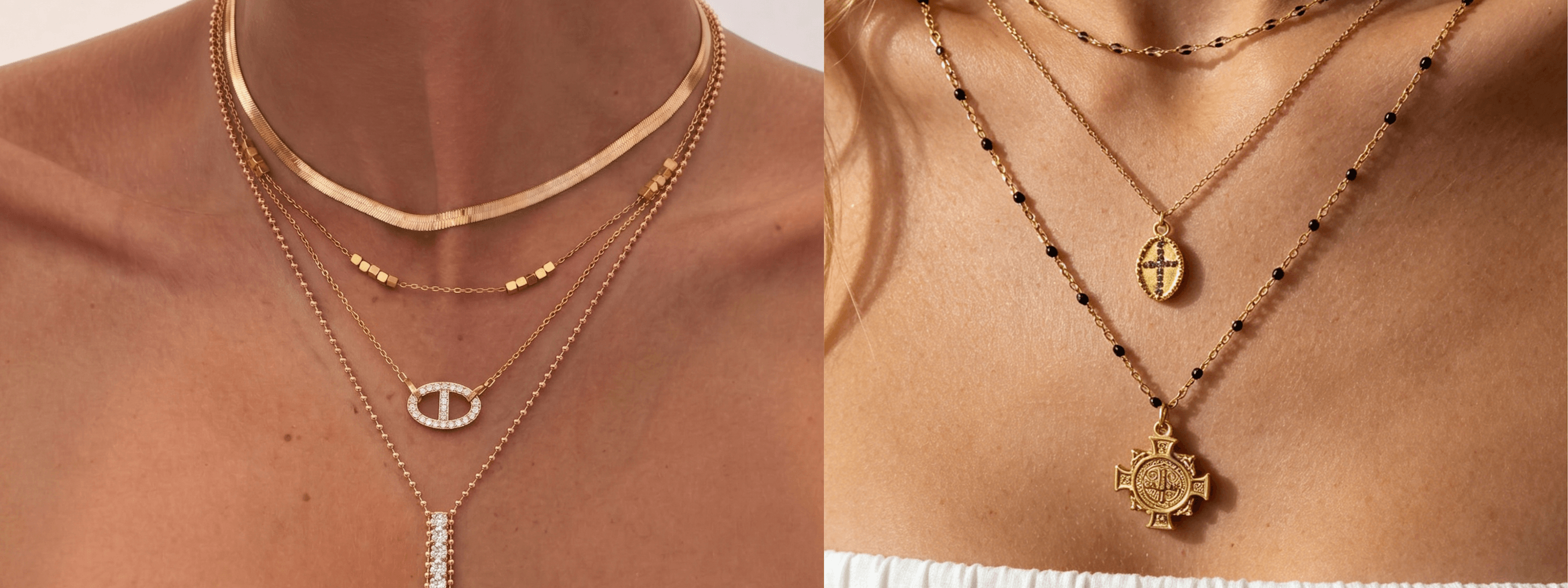
Waterproof Gold Jewelry: What to Look For
What is waterproof gold jewelry? It is jewelry crafted with a highly durable, corrosion-resistant base metal—usually 316L stainless steel—coated in real gold using a Physical Vapor Deposition (PVD) process. This advanced bonding technique ensures the gold layer withstands daily exposure to water, sweat, and cosmetics without tarnishing, fading, or turning your skin green.
Finding pieces that actually live up to the "waterproof" claim means looking past the shiny exterior and understanding the metals underneath. When you know exactly what materials to look for, you can confidently build a daily stack that never needs to be taken off.
What is Waterproof Gold Jewelry?
Waterproof gold jewelry is built on a corrosion-resistant metal base — typically 316L stainless steel — bonded with an 18k gold PVD coating that holds up against water, sweat, and daily wear without flaking or fading. The stainless steel base resists rust where standard brass or copper bases fail quickly.

PVD (Physical Vapor Deposition) is the key difference from regular gold plating. The coating bonds at a molecular level, so it survives showers, gym sessions, and pool water that would strip a conventionally plated piece within weeks.
Your jewelry should never dictate when you can shower or swim. A piece like the Hope Small Hoop Earrings 20mm ($36) uses exactly this construction — 18k gold plated over a stainless steel base, rated as reliable waterproof jewelry for everyday wear.
The short version: if a piece lists a stainless steel base with 18k gold PVD plating, you can put it on Monday morning and leave it on through workouts, rain, and showers all week. Understanding why you can leave it on requires looking at the metals underneath.
The Science of Base Metals: 316L Stainless Steel vs. Brass
Gold jewelry turns your skin green because of the base metal underneath the plating, specifically brass. Brass is a copper-zinc alloy, and when copper contacts sweat and skin oils, it oxidizes and forms copper chloride — a greenish residue that transfers directly onto your skin. The thinner the gold plating, the faster this happens.
316L stainless steel behaves completely differently. It's a passive metal, meaning it doesn't react with moisture, sweat, or chlorine. No oxidation reaction, no green ring, no itchy rash.
Why Nickel Is the Hidden Irritant
Budget brass jewelry often contains nickel as a hardening agent. nickel is one of the most common causes of contact dermatitis, producing red, itchy skin within hours of wear. If you are looking for hypoallergenic jewelry, avoiding nickel is your first step. If you've ever blamed "cheap gold" for a rash, nickel was almost certainly the culprit.
316L stainless steel contains 0% nickel in its reactive surface layer. You can wear these pieces all day without worrying about itchy skin or green rings, even during workouts or in the shower.
316L vs. Brass: What Actually Matters
| Property | 316L Stainless Steel | Brass |
|---|---|---|
| Reacts with sweat | No | Yes, copper oxidizes |
| Nickel content | 0% reactive nickel | Often present |
| Skin staining | None | Green copper residue |
| Water resistance | High, inert in chlorine and saltwater | Low, corrodes with moisture |
The Hope Small Hoop Earrings at $36 are a good example of how 18k gold plating over a 316L stainless steel base holds up in real daily wear, the inert core keeps the gold layer stable rather than letting oxidation push through from underneath.
Brass-based pieces aren't always bad for occasional wear, but the moment moisture enters the picture regularly, the copper chemistry takes over fast. For anything you plan to wear swimming, showering, or through a sweaty gym session, the base metal choice matters more than the gold layer thickness. While the base metal prevents green skin, the coating method determines how long the gold lasts.
How PVD Coating Creates a Tarnish-Free Finish
PVD (Physical Vapor Deposition) bonds gold directly to the metal at a molecular level inside a vacuum chamber. Vaporized gold particles blast onto the stainless steel base and fuse into the surface rather than sitting on top of it like traditional plating. That's why it doesn't peel, flake, or wash off in the shower.
Standard electroplating deposits a thin gold layer that water and friction gradually strip away, sometimes within weeks. PVD creates a coating that's dramatically harder and more adhesion-resistant. NIST surface science research confirms that vacuum-deposited coatings achieve bond strengths that liquid-bath plating simply can't match.
The practical result: zero daily maintenance to keep the finish looking bright. You shower in it, swim in it, sleep in it. If you ever wonder does stainless steel jewelry tarnish when coated this way, the answer is a resounding no. The Hope Small Hoop Earrings ($36) are a good example, 18k gold plated over a stainless steel base, waterproof and tarnish-free by design.
Because the gold is fused rather than deposited, the entire 100% tarnish-free stainless steel collection holds its color through daily contact with soap, sweat, and chlorine. You can build a daily stack you never have to take off. However, even with a highly durable PVD coating, environmental factors still play a role.
Can You Wear Waterproof Jewelry in the Ocean and Pool?
Yes, you can wear waterproof gold jewelry in both the ocean and pool without worrying about rust or permanent damage. That said, "waterproof" doesn't mean invincible to chemistry.
Chlorine in pools is an oxidizing agent. Repeated exposure can slowly break down the bond between a PVD coating and its base metal, dulling the surface over time. Saltwater is gentler on the metal itself but leaves behind mineral deposits that create a filmy, lackluster appearance if you let them dry on the piece.
The fix is simple. Rinse your jewelry under fresh tap water after every swim. That one habit lets you enjoy your beach vacation without ruining your favorite necklace, and it takes about 30 seconds.
- Rinse immediately after swimming, fresh water flushes chlorine and salt before they dry onto the surface.
- Pat dry with a soft cloth, air-drying leaves water spots, especially in hard-water areas.
- Store separately, don't toss wet pieces into a bag with other jewelry; moisture trapped between metals speeds up wear.
A piece like the Hope Small Hoop Earrings 20mm ($36) uses an 18k gold plated stainless steel base, which handles splash and swim exposure well as long as you follow the rinse-and-dry routine.
Bottom line: the ocean and pool won't destroy waterproof gold jewelry, but dried salt and pool chemicals will leave a dull film if you skip aftercare. While the metal itself can handle the beach, extra adornments require more caution.
Navigating Mixed Materials: Pearls and Gemstones in Water
No, gemstones and pearls on waterproof chains are not automatically safe for the shower. The metal chain may hold up fine, but the stones attached to it follow completely different rules.
Pearls are porous and organic. According to the Gemological Institute of America (GIA), repeated water exposure seeps into their nacre layers, weakening the structure and dulling the luster over time. Shower chemicals and chlorine accelerate that damage significantly.
Many natural gemstones share this vulnerability. Turquoise, lapis lazuli, and tiger's eye are all porous stones that absorb water and cleaning agents. The Bar Turquoise Ring ($48), for example, pairs a waterproof stainless steel band with a natural turquoise stone, the band can handle moisture, but the stone itself should stay dry.
The same logic applies to pearl jewelry. A Aurora Pearl Ring ($29) features a gold-plated waterproof base, yet the pearl itself needs to be kept away from prolonged water contact to preserve its surface sheen.
The practical rule is straightforward: check every material in the piece, not just the chain. If any component is a natural stone or pearl, remove the piece before showering, swimming, or washing dishes.
For a genuinely low-maintenance stack, the Hugo Ring - White Mother of Pearl ($53) is worth noting, mother of pearl is more stable than loose freshwater pearls, but still benefits from keeping it out of chlorinated water regularly. Meideya's product descriptions flag waterproof status clearly, so checking before you buy takes seconds.
The short version: a waterproof label covers the metal. Your stones need their own care plan.
Quick Recap
Check the product listing for 316L stainless steel before you buy. That single detail separates jewelry that survives daily showers, swims, and sweat from pieces that turn green by month two.
PVD-coated 316L stainless steel is the most reliable base for waterproof gold jewelry available at accessible price points in 2026. Brass-based pieces cost less upfront but typically need replacing sooner, especially if you wear them in chlorine or saltwater regularly.
If your stack includes pearls or natural gemstones, keep those specific pieces out of pools and the ocean. The gold plating holds up fine; the organic materials won't.
For a starting point that checks every box, the Hope Small Hoop Earrings 20mm at $36 offer a stainless steel base with 18k gold plating at a price where you can test the wear experience before committing to a full stack. Buy on the metal spec, wear with confidence, and the jewelry takes care of itself.


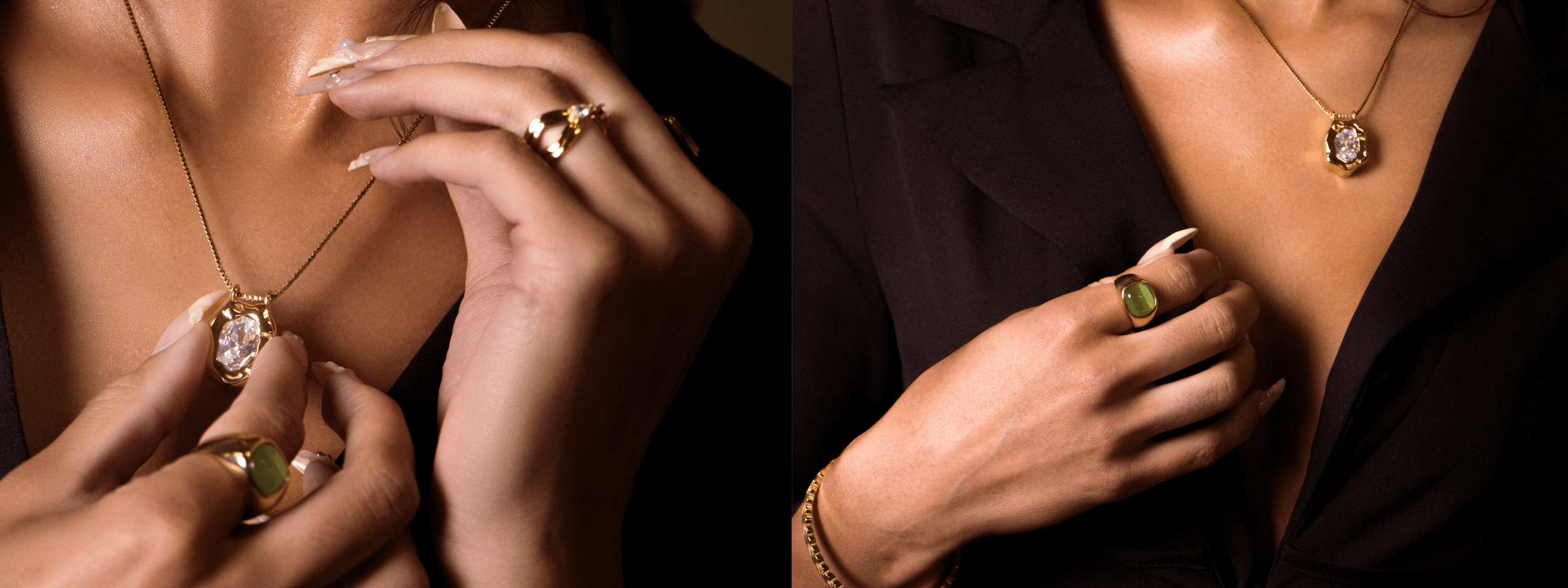
Video reference shots
waterproof and tarnish free jewelry — Meideya Jewelry


Laat een reactie achter
Deze site wordt beschermd door hCaptcha en het privacybeleid en de servicevoorwaarden van hCaptcha zijn van toepassing.