

How to Choose the Right Bracelet Size
There are few things more frustrating than a beautiful bracelet that doesn't fit—it's either too tight and pinches when you move, or it's so loose it constantly flops over your hand. Unlike rings, the perfect bracelet size isn't just about measurement; it's about the **comfort margin**.
For someone who lives an active life, the fit is everything. You need a bracelet that stays put during yoga, doesn't scratch your laptop while typing, and feels comfortable enough to wear 24/7. This is especially true for **stainless steel jewelry**, which is built for endurance.
This guide will give you Mia’s definitive method for measuring your wrist and, most importantly, applying the crucial comfort margin to guarantee your perfect fit every time.

Key Takeaways
- The Rule of Comfort: Bracelet size is **wrist measurement + 1/2 to 1 inch** for movement and comfort.
- Best Method: Use a flexible tape measure or string to measure the wrist bone circumference accurately.
- Fit for Activity: The fit should allow you to slide two fingers comfortably under the bracelet.
- Material Note: The durability of **316L steel** means the piece will last forever, so the fit must be perfect from the start. (See also: How Long Does Jewelry Last?)
Mia's Preferred Method: The Flexible Tape Test (Step-by-Step)
You only need a few minutes and a flexible measuring tool to find your size. This process measures the **circumference** of your wrist.
- Measure the Wrist Circumference: Wrap the flexible tape measure or a thin strip of paper around the wrist bone. Ensure it's snug, but **not tight** enough to leave an indentation. This is your base wrist circumference.
- Mark and Measure: If using paper or string, mark the exact point of overlap. Lay it flat and measure the length (in inches or centimeters) against a ruler.
- Apply the Comfort Margin: This is the most crucial step! Add **1/2 inch (1.27 cm)** for a snug, classic fit, or **1 inch (2.54 cm)** for a loose, relaxed fit. This margin allows for movement and accounts for bracelet width.
- Determine Final Size: Your final adjusted measurement (wrist + comfort margin) is your ideal bracelet length. Match this to the sizing chart below.
The Essential Sizing Chart: Wrist Size to Bracelet Fit
Use this chart as a guide after applying your comfort margin (Step 3):
| Wrist Circumference (Snug) | Recommended Bracelet Size (Standard Fit) | Recommended Bracelet Size (Loose Fit) |
|---|---|---|
| 6.0 inches (15.2 cm) | 6.5 inches | 7.0 inches |
| 6.5 inches (16.5 cm) | 7.0 inches | 7.5 inches |
| 7.0 inches (17.8 cm) | 7.5 inches | 8.0 inches |
3 Pro Tips for Comfort and Fit
The type of bracelet you choose affects the fit. Here are my tips based on material and styling:
- **Consider Bracelet Width:** A wide, chunky **Curb Chain Bracelet** will feel tighter than a thin chain. If the bracelet is very wide (8mm+), you may need to add an extra quarter inch to your comfort margin.
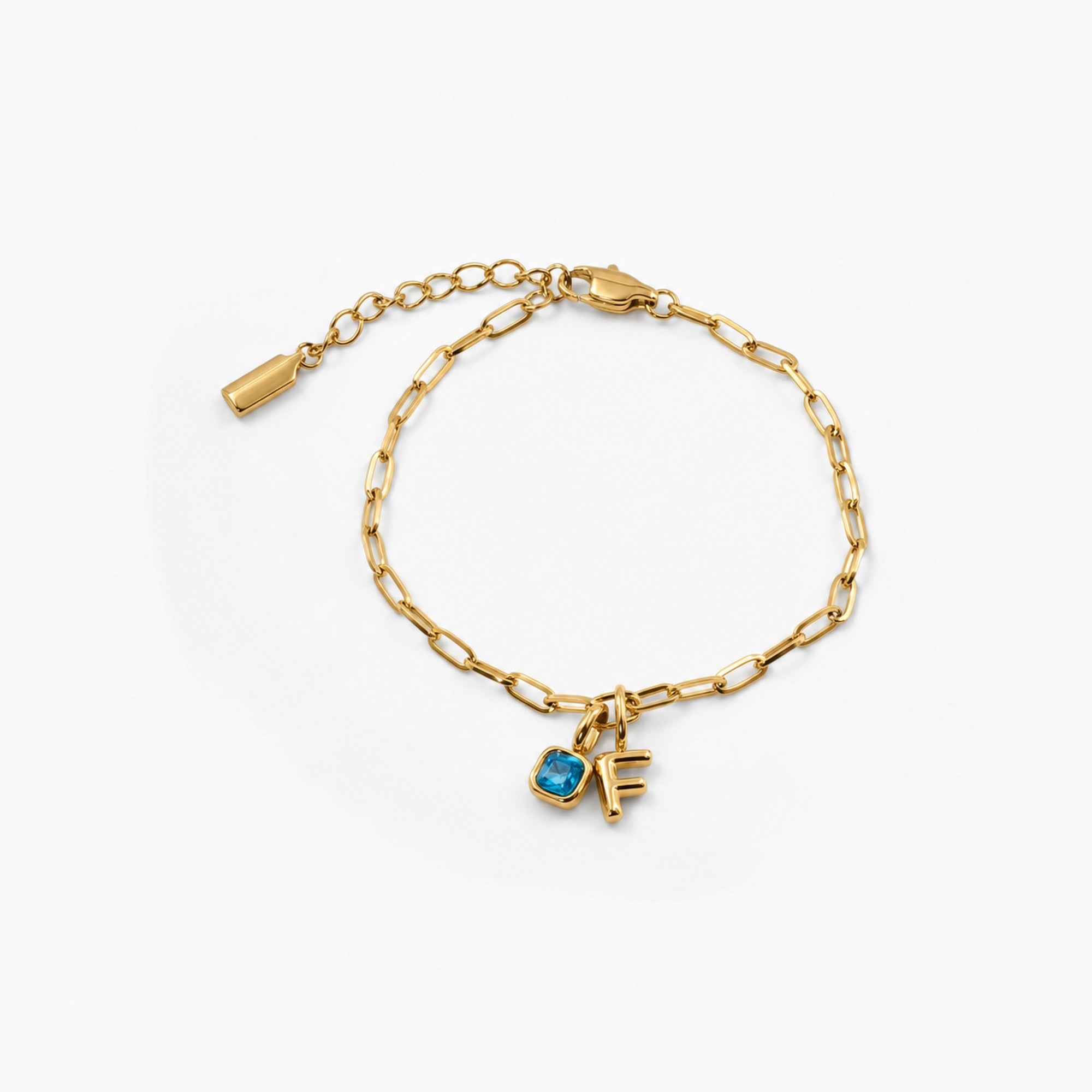
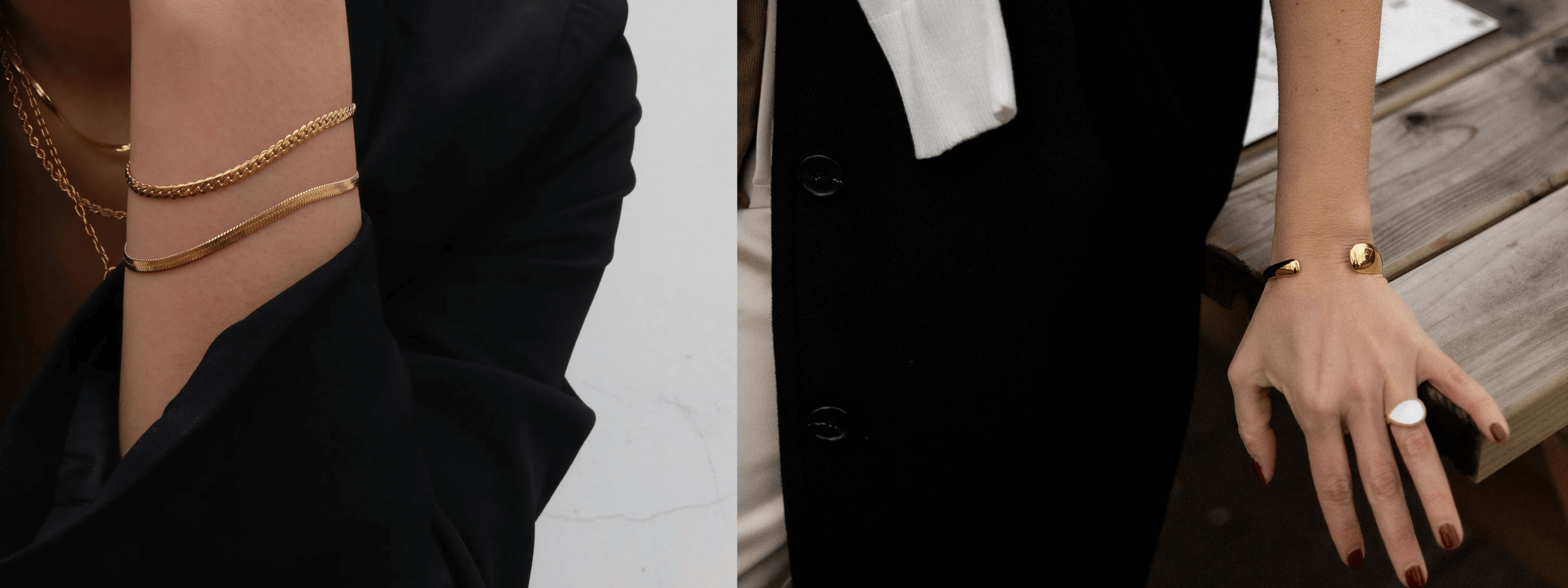
- **Clasp vs. Cuff:** For chain bracelets with a clasp (like the **Snake Chain Bracelet**), the length must be precise. For open bangles or cuff bracelets, the size is less critical, as they can be gently adjusted to slide over the narrowest part of the wrist.
- **Sizing for Stacking:** If you plan to wear a wrist stack, use a *snugger* fit (1/2 inch margin) on your primary bracelet (the anchor) and a slightly *looser* fit (1 inch margin) on your secondary pieces, which will prevent pinching and tangling. (For styling ideas, see: The Art of Stacking Rings).

Featured: Find Your Perfect Fit Bracelet
Now that you know your size, explore our collection of durable, waterproof, hypoallergenic 316L stainless steel bracelets. Built for the perfect wrist stack.
Shop All Stainless Steel JewelryFrequently Asked Questions
Q1: Should a bracelet fit snugly or loosely?
It should fit loosely enough to move comfortably, but not so loose that it slides off your hand when you move. The general rule is that you should be able to slide one or two fingers under the bracelet when it's closed.
Q2: Can I use the size of an old bracelet?
Yes, if the old bracelet fits well. Simply measure the entire length of the old bracelet (from clasp to end). This is the length you should order, as it already includes the necessary comfort margin.
Q3: Does the material affect the fit?
Yes. Soft materials like elastic or leather stretch over time, requiring a tighter initial fit. **316L stainless steel** does not stretch or break, so the size you measure is the size you get permanently.
Q4: How do I know if I need the 1/2 inch or the 1-inch margin?
If you prefer a classic, contained look (like wearing it only with a watch), use the 1/2 inch margin. If you plan to wear a stack or prefer a bohemian, floppy fit, use the 1-inch margin. For heavy bracelets, always lean toward the smaller margin for better stability.


Leave a comment
This site is protected by hCaptcha and the hCaptcha Privacy Policy and Terms of Service apply.