

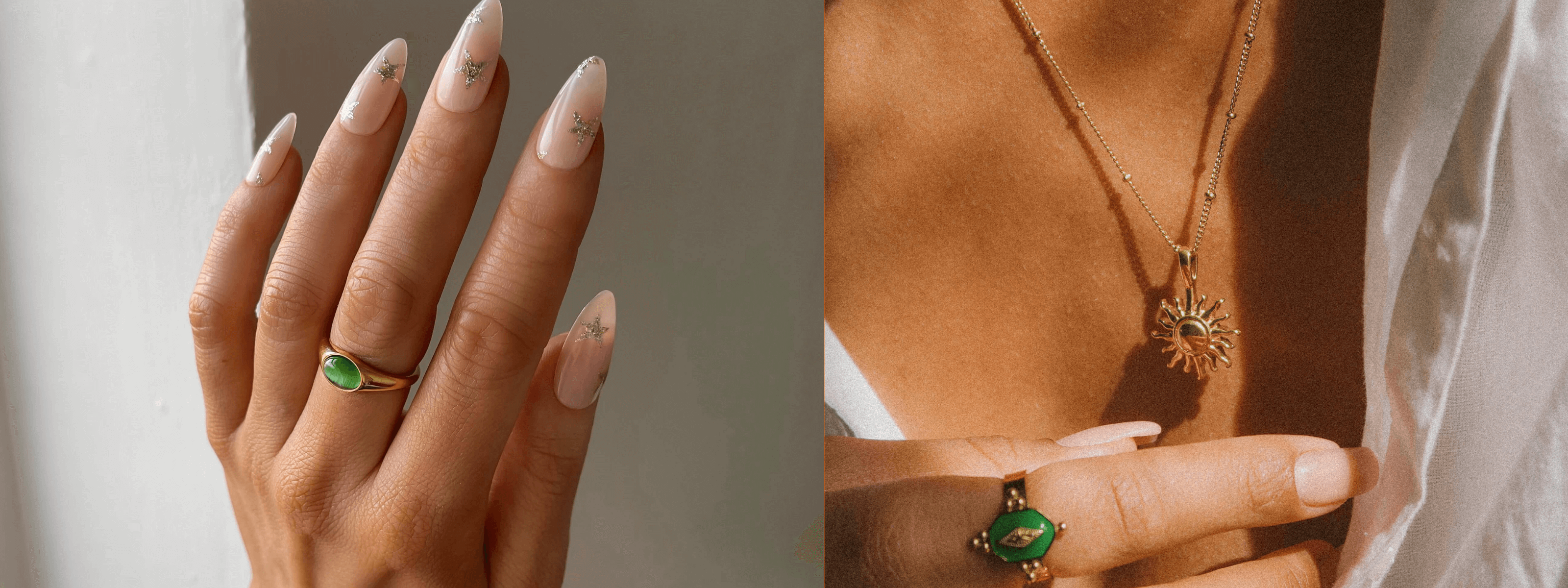
Stainless Steel vs. Silver: Which Tarnishes Faster?
When choosing silver-colored jewelry, two materials stand out for their beauty and popularity: classic sterling silver and modern stainless steel. While both offer a brilliant shine, they behave very differently over time. One of the biggest concerns for any jewelry owner is tarnish—the frustrating, dark discoloration that can make a beautiful piece look dull and old. So, when it comes to stainless steel vs. silver, which one tarnishes faster? The answer is clear and definitive: sterling silver tarnishes significantly faster and more easily than stainless steel. In fact, the exceptional tarnish resistance of durable stainless steel jewelry is one of its greatest advantages.

The Science of Tarnish: A Tale of Two Metals
To understand why these metals perform so differently, we need to look at their chemical makeup and how they react to their environment.
Why Sterling Silver Tarnishes
Tarnish on silver is the result of a chemical reaction called oxidation. Sterling silver is an alloy typically made of 92.5% pure silver and 7.5% other metals, usually copper. When the copper and silver are exposed to sulfur compounds in the air, a dark layer of silver sulfide forms on the surface. This process is accelerated by humidity, lotions, perfumes, and even the natural oils on your skin. This tarnishing is an inevitable chemical process that requires regular, often tedious, polishing to remove.
Why Stainless Steel Resists Tarnish
Stainless steel’s resistance to tarnish is thanks to an invisible shield. The alloy contains at least 10.5% chromium, which reacts with oxygen to form a thin, passive, and incredibly durable layer of chromium oxide on the surface. This protective layer is non-porous and self-healing; if it gets scratched, it instantly reforms, preventing oxygen and moisture from reaching the metal underneath and causing oxidation. This is why high-quality 316L surgical steel can be worn daily without losing its shine.
The Head-to-Head Comparison: Stainless Steel vs. Sterling Silver
Let's break down the key differences in a direct comparison to see where each metal stands.
| Feature | Stainless Steel | Sterling Silver |
| Tarnish Resistance |
Excellent. Highly resistant to tarnish, rust, and corrosion. |
Low. Tarnishes easily when exposed to air and moisture. |
| Durability & Scratch Resistance |
Excellent. A very hard and strong metal, less prone to scratches and dents. |
Moderate. A much softer metal that can be easily scratched and dented with daily wear. |
| Maintenance |
Low. Requires only occasional cleaning with mild soap and water to remove dirt. |
High. Requires frequent and regular polishing with special cloths or cleaners to remove tarnish. |
| Hypoallergenic Properties |
Excellent. 316L surgical steel is hypoallergenic and safe for most sensitive skin. |
Prone to Allergies. Often contains copper, which can cause allergic reactions or green skin in some individuals. |
| Cost |
Affordable. Offers a luxurious look at a much more budget-friendly price point. |
More Expensive. As a precious metal, it is significantly more costly than stainless steel. |
Which Metal is Right for You?
The choice ultimately depends on your lifestyle and priorities.
-
Choose Sterling Silver if: You love the traditional, high-luster look of a precious metal, don't mind the routine of regular polishing, and are not prone to metal allergies.
-
Choose Stainless Steel if: You want beautiful, worry-free jewelry that you can wear every day without the fear of it tarnishing, scratching, or causing a reaction. It's the perfect choice for an active, modern lifestyle where durability and low maintenance are key.
For anyone seeking beautiful accessories that can keep up with their life, the choice is clear. The superior technology and resilience of our hypoallergenic stainless steel jewelry make it a reliable and lasting investment.
Conclusion
When it comes to the battle against tarnish, stainless steel is the undisputed winner. Its scientific composition provides a level of durability and ease of care that sterling silver simply cannot match. By choosing stainless steel, you are choosing a brilliant shine that lasts, without the constant upkeep.
Ready to enjoy the beauty of silver-colored jewelry without the hassle of tarnish? Explore our collection of beautiful and tarnish-free stainless steel jewelry today.
Frequently asked questions
Which tarnishes faster, stainless steel or sterling silver?
Sterling silver tarnishes significantly faster and more easily than stainless steel. Silver reacts with sulfur compounds in the air to form a dark layer of silver sulfide, while stainless steel is protected by a chromium oxide layer that resists tarnish. This superior tarnish resistance is one of stainless steel's greatest advantages.
Why does sterling silver tarnish?
Sterling silver is an alloy of about 92.5% pure silver and 7.5% other metals, usually copper. When the silver and copper are exposed to sulfur compounds in the air, a dark layer of silver sulfide forms on the surface. The process is sped up by humidity, lotions, perfumes, and the natural oils on your skin, so silver needs regular polishing.
Why does stainless steel resist tarnish?
Stainless steel contains at least 10.5% chromium, which reacts with oxygen to form a thin, passive, non-porous layer of chromium oxide on the surface. This shield is self-healing and blocks oxygen and moisture from reaching the metal underneath, preventing the oxidation that causes tarnish. That is why high-quality 316L surgical steel can be worn daily without losing its shine.
Do I need to polish stainless steel jewelry like I do silver?
No. Silver requires regular, often tedious polishing to remove the silver sulfide tarnish that keeps forming. Stainless steel resists tarnish thanks to its protective chromium oxide layer, so it only needs occasional gentle cleaning with mild soap and water to stay bright. This makes it a much lower-maintenance choice.
Which metal is right for me, stainless steel or sterling silver?
If you want a low-maintenance, durable piece that keeps its shine through daily wear, water, and sweat, 316L stainless steel is the better choice and resists tarnish far better than silver. Sterling silver offers a classic look but requires more frequent polishing and care. Stainless steel is also waterproof, hypoallergenic, and nickel-free, making it ideal for everyday accessories.


Laisser un commentaire
Ce site est protégé par hCaptcha, et la Politique de confidentialité et les Conditions de service de hCaptcha s’appliquent.